
Future Brand Design Trends: What’s Next for 2026–2030
As we step into the second half of the 2020s, brand design is evolving faster than ever - not just in pixels and palettes, but in how people experience meaning. If the last decade was about digital ubiquity and authenticity, the next one will be about clarity, context, and human-centered intelligence. Let’s zoom into the trends shaping brand identity from 2026 to 2030.

Story-Driven Systems, Not Static Logos
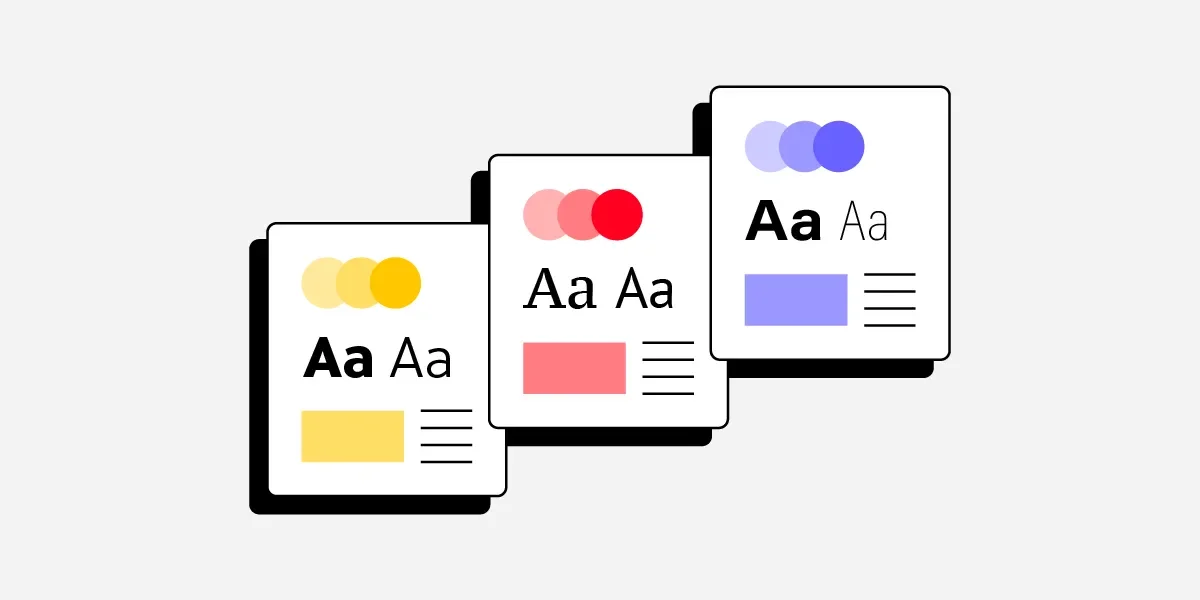
Gone are the days when a brand lived in one symbol or mark. Future brands will behave like living systems — narrative engines that adapt across context, emotion, and culture.
Instead of a static logo file, you’ll design:
Flexible visual modules
Story frames
Expressive motion rules
UI/UX rhythm guides
Brands become story engines rather than pretty icons.
Dynamic Identity — Real-Time Responsive Design
AI and real-time data will fuel identities that change based on context — time, user behavior, environment, or even global mood signals.
Imagine:
🟡 A brand color that warms in morning light
🔵 A shape system that expands for accessibility needs
🟢 A voice identity that adapts tone for local culture
Not random changes, but meaningful responsiveness.
Sensory Branding Beyond Vision
Brands have pulled far ahead of just looking good — now it’s about feeling right:
🔉 Sound design that evolves with the user
🤖 Haptic feedback tied to brand touchpoints
🏙️ Environmental branding in AR/VR layers
🌬️ Scent identity for physical spaces
The brand is no longer a visual artifact — it’s an experience ecosystem.
Ethical Transparency as Design Fuel
People are increasingly savvy. They care where brands stand on:
Sustainability
Data ethics
Social impact
Labor transparency
Design will shift from aesthetic framing to ethical signaling. The design itself becomes proof — not just decoration.
Augmented Reality (AR) as Primary Touchpoint
By 2030, AR won’t be a novelty; it’ll be a standard brand layer:
📱 On unsold packaging
🕶️ In physical retail spaces
🌍 In city environments
Brand design becomes spatial, not just digital or physical — playing by environmental context and user interaction.
Minimalism With Depth — The New Maximalism Isn’t Loud
Minimalism is getting smarter.
Future minimalism means:
Fewer assets with more meaning
Symbols that hold layers of interpretation
Simplicity that reduces noise but increases insight
This isn’t plain — it’s distilled intelligence.
Inclusive Systems by Design
Accessibility will stop being an afterthought and become a design origin point:
Adaptive typography
Multi-sensory navigation cues
AI-enhanced personalization for neurodiverse users
Design that adjusts isn’t a bonus — it’s the baseline.
Hyper-Local Globalism
Two worlds will merge:
🌍 Global relevance
🏙️ Local cultural resonance
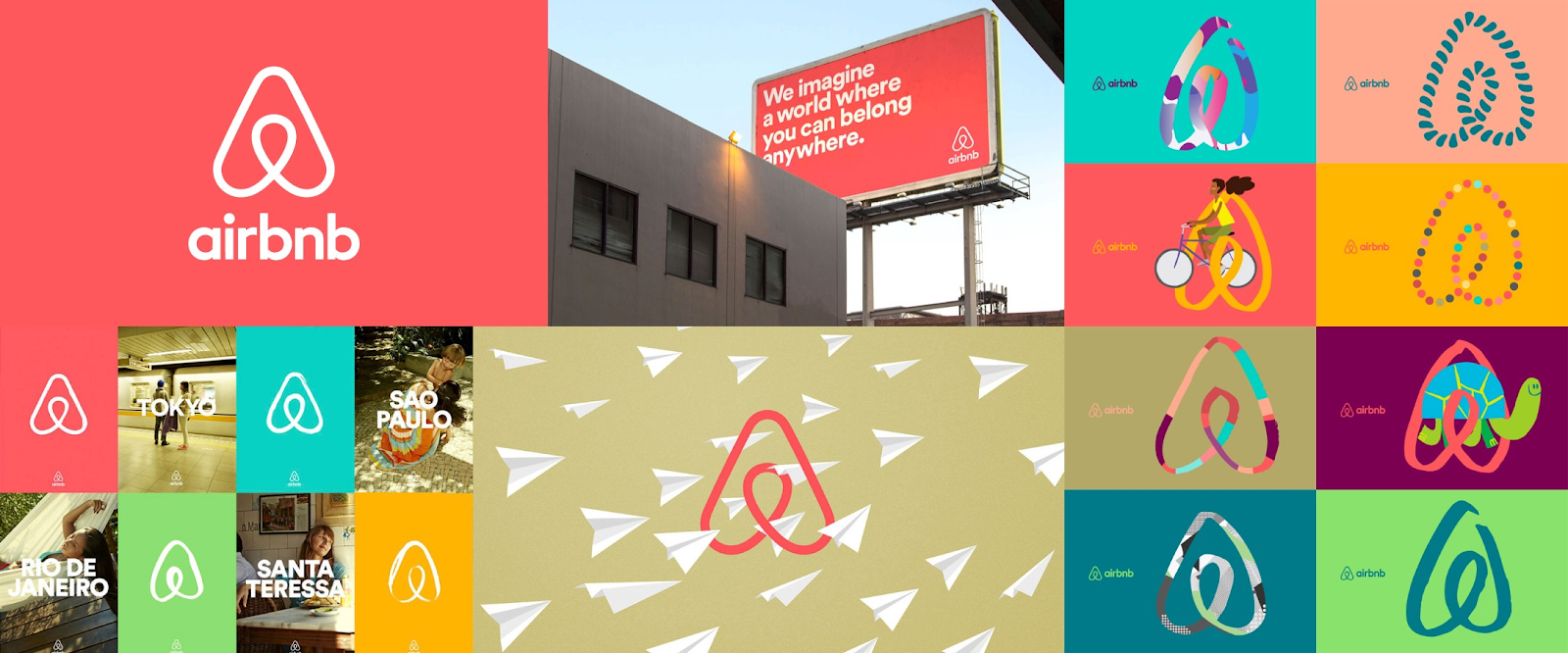
Brands will have frameworks that shift in language, rhythm, symbols, and experiences depending on geography — but stay coherent on the core idea.
What This Means for Designers
If you’re crafting brand identities in 2026–2030:
👉 Stop designing pictures.
👉 Start designing systems.
👉 Think behavior, not just beauty.
👉 Treat every touchpoint as a conversation — not an imprint.
This is a new era where brand equals human experience — fluid, intelligent, empathetic.
Conclusion — The Future of Brand Design is Alive
Brand design used to be about recognition.
Now it’s about connection, adaptability, and meaning.
If your brand can listen, respond, and evolve — you aren’t just surviving 2030. You’re leading it.
