
Creative Exhibitions & Expos Worth Knowing
[Not to chase trends, but to understand the moment]
In branding and creative work, inspiration rarely comes from looking inward.
It comes from understanding how the world is changing — socially, culturally, technologically — and how people respond to those shifts.
At Offnormal, we see exhibitions and expos not as trend forecasts, but as cultural signals. They show what societies value, what questions designers and creators are asking, and how ideas take shape beyond screens and campaigns.
Below are several recurring creative exhibitions and expos worth knowing — not because you need to attend them all, but because they help place brand work within a broader context.
World Expos: Big Questions, Long Horizons
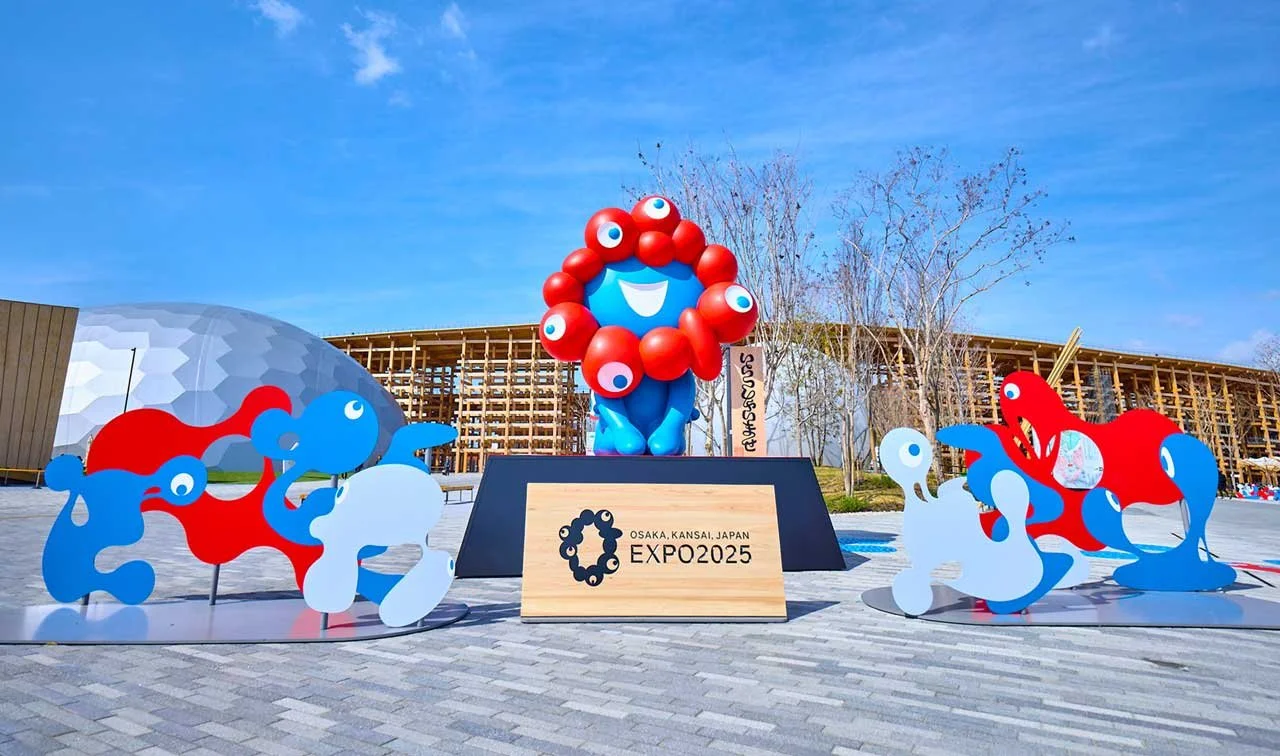
Expo 2025 Osaka
World Expos are rare moments where nations collectively reflect on the future.
Expo 2025 Osaka focuses on themes of life, sustainability, and coexistence — not through marketing slogans, but through architecture, systems design, and experiential storytelling. Pavilions act as cultural statements, each reflecting how a country sees its role in the world.
Why it matters for branding: World Expos remind us that branding at its best is not about persuasion, but about positioning within a shared future. They show how narratives, space, and design work together to express values at scale.
Design Weeks: Where Process Becomes Visible
Milan Design Week
Often associated with furniture and interiors, Milan Design Week is really about how ideas are materialized. Beyond the official Salone del Mobile, the city becomes a network of exhibitions, pop-ups, and experiments — showcasing how designers respond to changes in technology, materials, and living patterns.
Why it matters for branding: Design weeks reveal process, not just outcomes. For brand work, this reinforces the idea that how something is made is as important as how it looks.
London Design Festival
More conceptual and narrative-driven than Milan, London Design Festival leans heavily into experimentation and storytelling. Many installations exist primarily to provoke thought rather than solve problems — a valuable reminder in a results-driven industry.
Why it matters for branding: Not every brand touchpoint needs to convert. Some exist to shape perception over time.
Art Biennales: Culture Without a Brief
Venice Biennale
The Venice Biennale is less about solutions and more about questions. Artists explore politics, identity, climate, power, and memory — often without clear conclusions. The work can feel uncomfortable, ambiguous, or unresolved.
Why it matters for branding: Brands often rush toward clarity. Art reminds us that ambiguity can be powerful — especially in early stages of brand thinking.
Documenta
Held every five years in Kassel, Documenta focuses on research-heavy, context-driven work. It challenges viewers to slow down, read, and reflect — the opposite of today’s content economy.
Why it matters for branding: Strong brands aren’t built on immediacy alone. They’re built on depth and consistency.
Why This Matters for Creative Work
Not every exhibition offers direct inspiration. Many feel distant from everyday brand challenges. That distance is precisely their value.
They help creative practitioners:
Understand cultural undercurrents
Observe how narratives are constructed without commercial pressure
Recognize shifts before they become trends
At Offnormal, we believe good creative work comes from paying attention — not just to markets, but to culture at large. Exhibitions and expos provide spaces where ideas unfold slowly, intentionally, and often imperfectly.
And that perspective quietly shapes how normal brand work is done differently.
