
Brand Design at Expo 2025 Osaka: Meaning & Role in Public Brand Identity
The brand design of Expo 2025 Osaka, Kansai isn’t just visual decoration — it’s the structural backbone of how the Expo communicates its theme, values, and experience to audiences around the world. At its core, this identity system acts as a living interface between the event’s vision and the diverse public that engages with it.
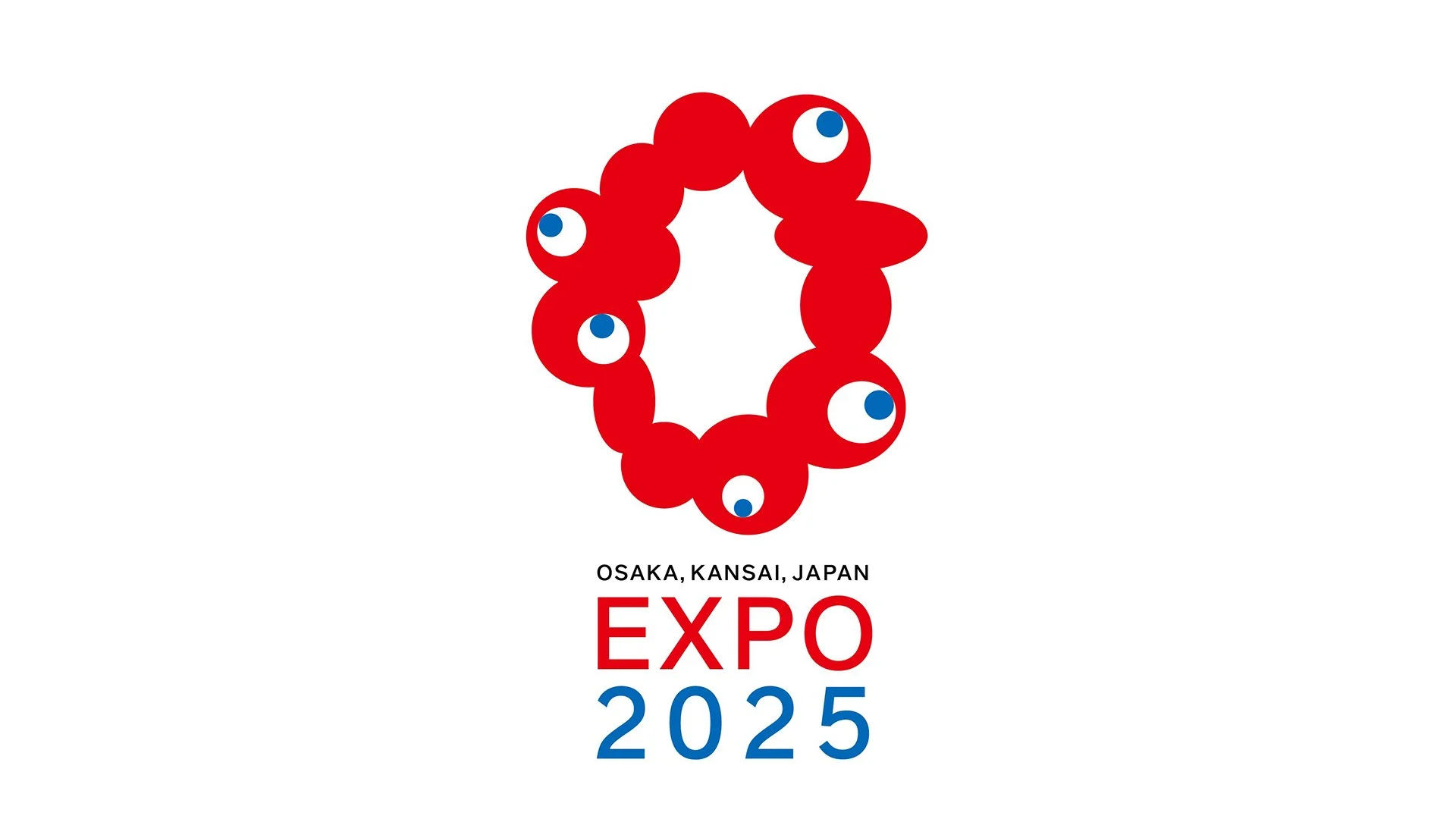
A Design System Rooted in Meaning
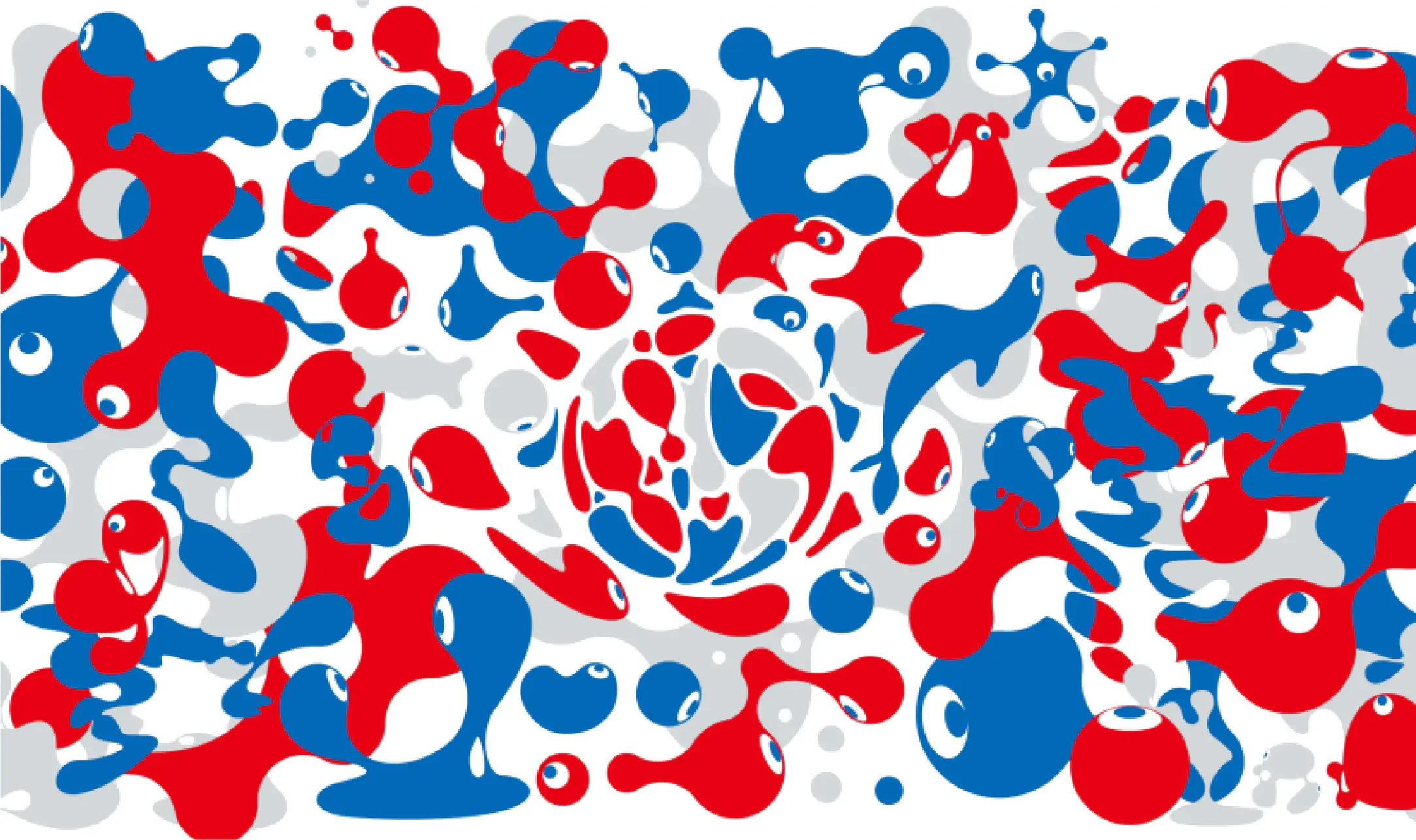
Rather than treating a logo or graphic as a mere badge, Expo 2025’s design framework is deeply conceptual. The official Design System was created not just to standardize visuals but to embody the Expo’s theme — “Designing Future Society for Our Lives” — through dynamic, life-inspired graphic elements.
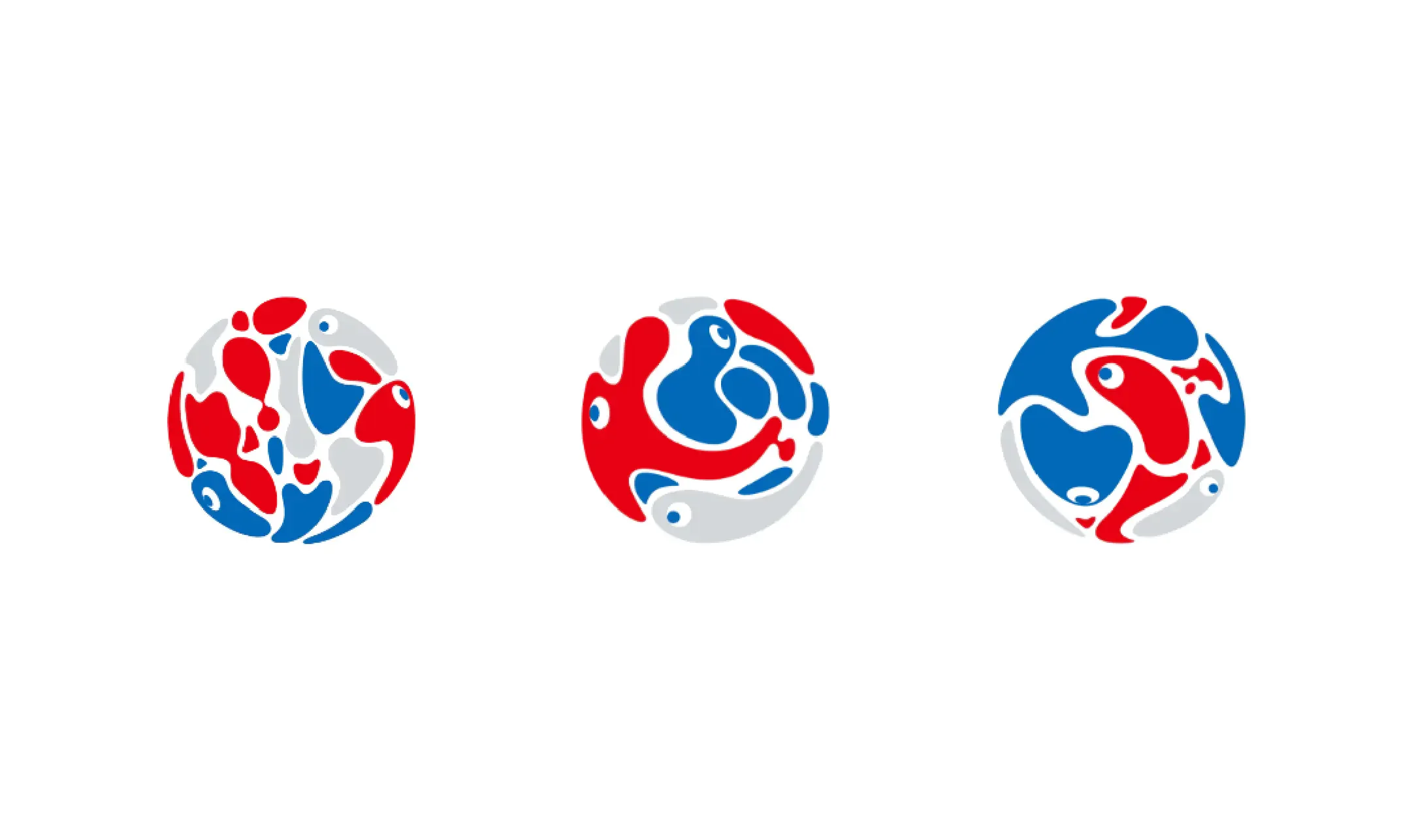
The system includes three primary elements
ID: representing individual life
GROUP: representing communities
WORLD: representing a diverse ecosystem of life
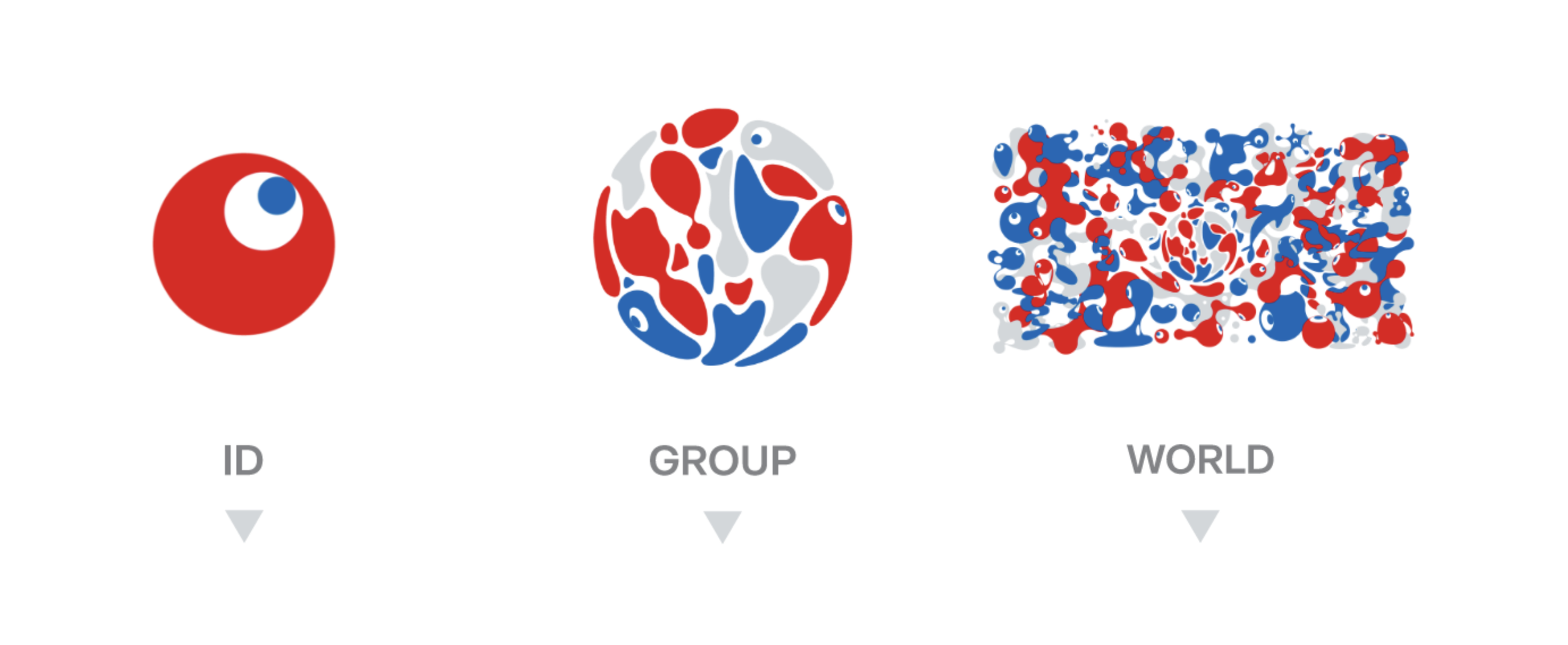
These elements reflect the Expo’s core narrative of connection, evolution, and coexistence.
This approach transforms the brand from static imagery into an ideational framework that speaks to biology, society, and co-creation — making the identity more relatable and meaningful for visitors from many cultures.
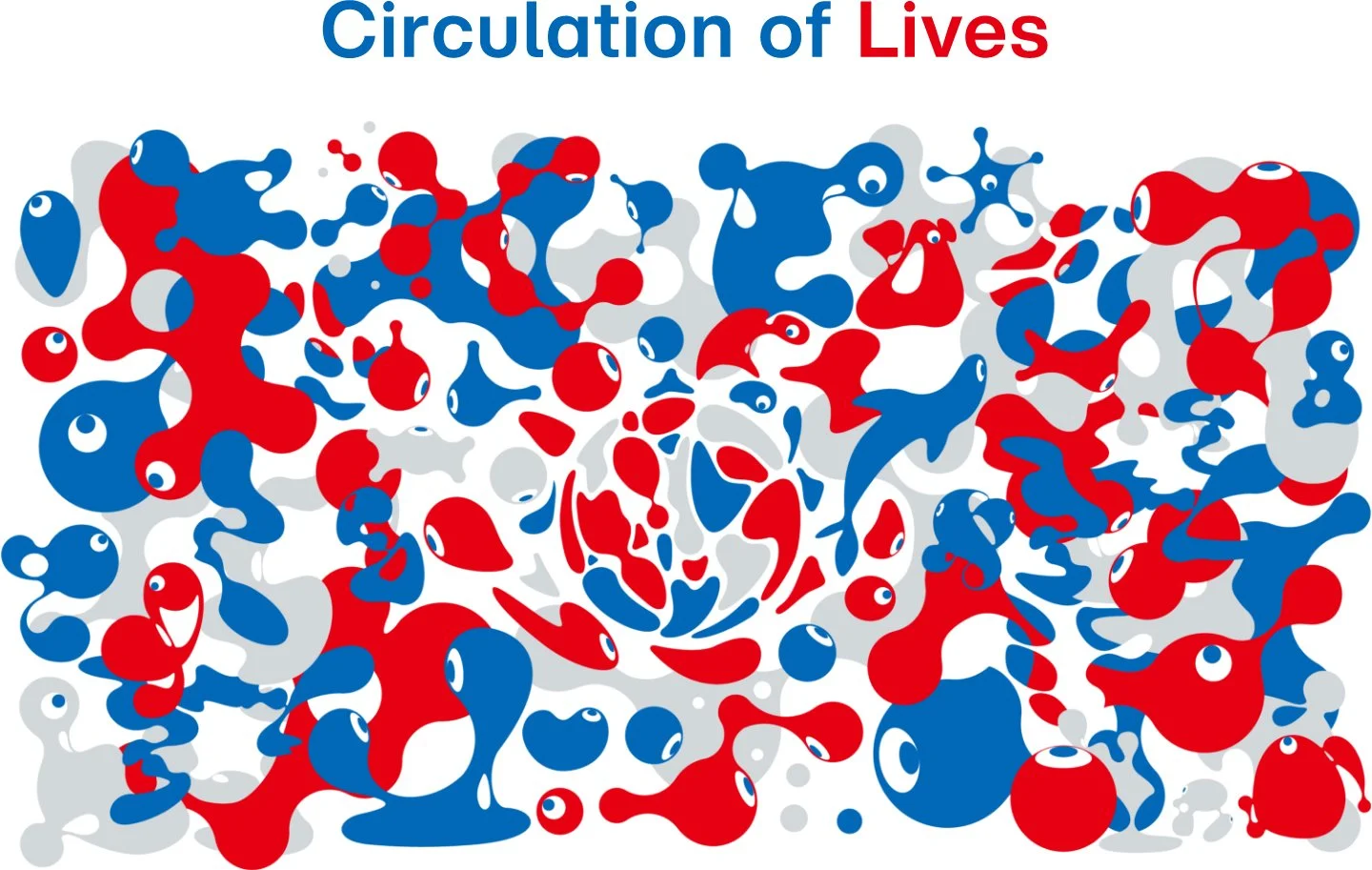
Consistency Across Touchpoints — Physical and Digital
Brand design isn’t confined to posters and merchandise — it extends into every interface the public interacts with.
The system is designed to bridge physical and digital worlds, ensuring consistent visual experience from signage to AR/VR platforms.
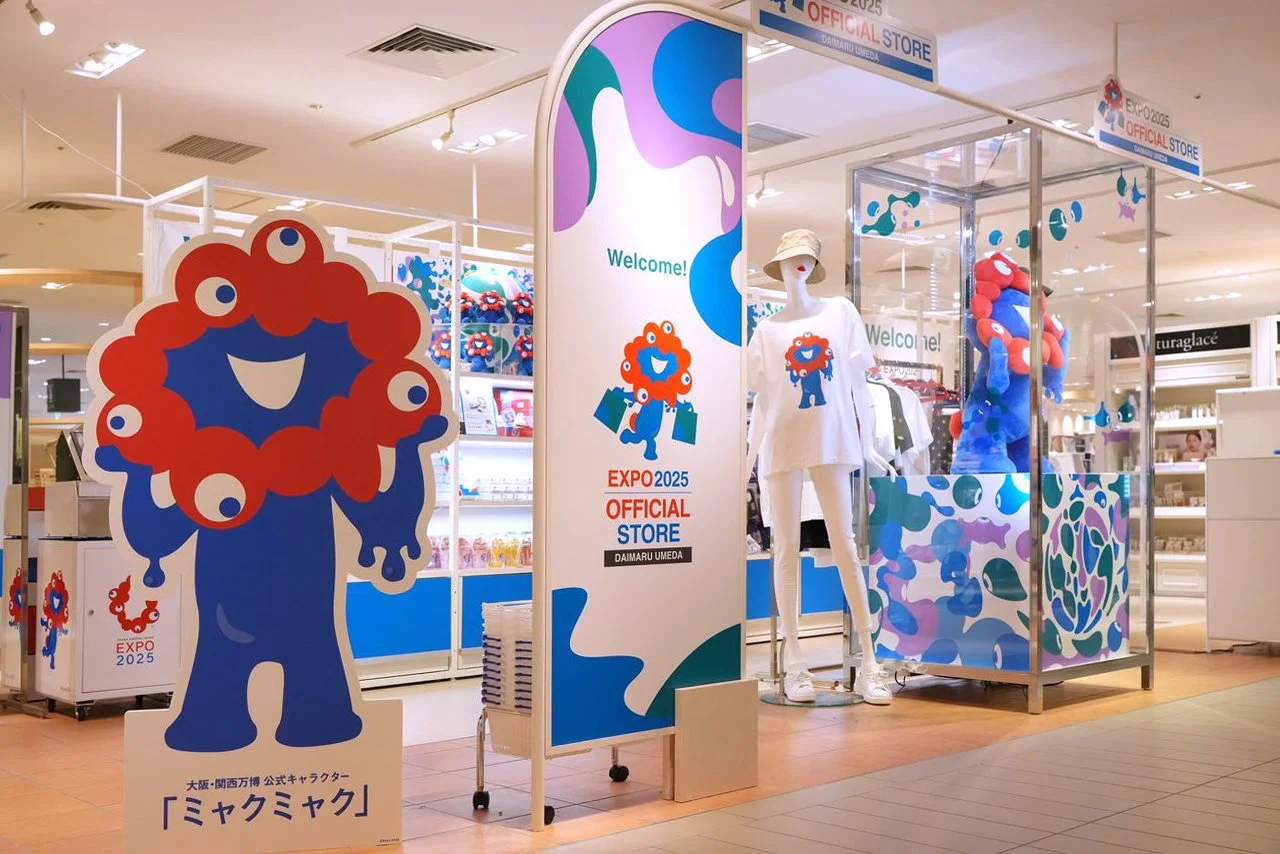
Patterns, colors, and graphic behaviors found in the Design System are applied to venue layouts, wayfinding systems, belt barriers, fence covers, stage backdrops, and digital interactions at the Expo.
This unified presence reinforces recognition and trust. When visitors see the same design language across environments — from banners to apps — it anchors their experience, helping them feel oriented, welcomed, and part of the story.
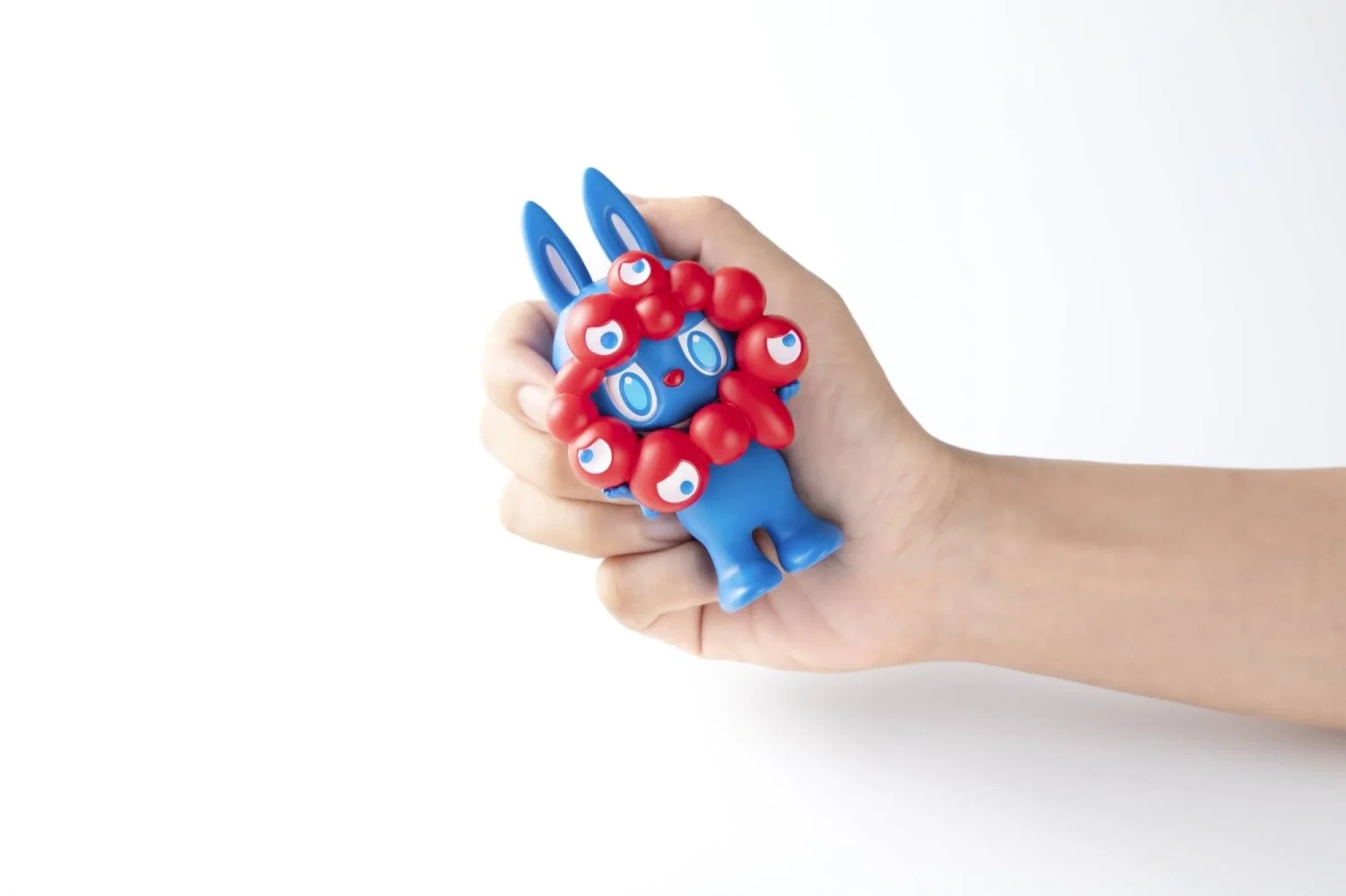
A Living, Evolving Identity
One of the most exciting aspects of the Expo 2025 brand design is that it’s not static — it’s meant to grow.
The identity system incorporates dynamic principles: shapes that evolve like living cells, systems that can be adapted in context, and open elements that invite creative reinterpretation.
This reflects a modern understanding of brand identity: rather than imposing rules from the top down, the design participates with culture — it evolves with it.
This ability to change, adapt, and co-create mirrors the Expo’s message about the future: sustainable, participatory, and interconnected.





Communicating Purpose Beyond Aesthetics
Good design doesn’t just look good — it means something and signals values. Expo 2025’s identity achieves this on several levels:
• Embodying the Theme:
The visual system reflects life itself — not just symbolically but structurally — communicating ideas of growth, connection, and coexistence without words.
• Enhancing Engagement:
With consistent visual signals across mediums, audiences feel the Expo’s narrative repeatedly and coherently. This fosters deeper emotional engagement and more memorable interaction.
• Enabling Interpretation:
Because the design framework is open and generative, it invites reinterpretation by participants and collaborators alike. This turns audiences into co-creators — a powerful shift in how large events build identity.
Why This Matters for Public Brand Recognition
For large international events like World Expos, the brand is the first impression. And these impressions:
Support global marketing and recognition
Create emotional resonance before physical attendance
Provide clarity amid a complex mix of national pavilions, corporate sponsors, and cultural experiences
Expo 2025’s design strategy ensures that no matter where someone encounters it — a TikTok story, a subway ad, a wall mural, or a 3D AR space — the visual language remains unmistakably coherent and meaningful.
In Summary
Expo 2025 Osaka’s brand design goes beyond logos and color palettes. It’s a strategic visual engine that:
✔ Embodies the Expo’s core ideas of life, connection, and future society.
✔ Creates a unified experience across real and virtual spaces.
✔ Adapts dynamically and invites creative participation.
✔ Anchors global recognition and emotional engagement with visitors.
In other words, the design isn’t decoration — it’s the collective language through which the Expo communicates its identity to the world.
