
Why Taipei Feels Naturally Creative
Taipei rarely comes up first when people talk about creative capitals in Asia. It doesn’t announce itself as boldly as Tokyo, doesn’t move as fast as Seoul, and doesn’t project ambition the way Shanghai does. Yet, for those who spend time there, Taipei leaves a quiet but lasting impression.
It feels creative in a way that doesn’t ask for attention. That feeling doesn’t come from a single landmark, a famous studio, or a government campaign. It comes from how the city makes room—for people, for ideas, and for creative work to exist without constantly needing to justify itself.
A city that doesn’t rush creativity
One of the first things you notice in Taipei is its pace. The city moves, but it doesn’t push. There’s a sense that not everything needs to be maximized, optimized, or scaled immediately. That matters more to creativity than it might seem.
Creative work often needs time—time to wander, to observe, to fail quietly, and to return. Taipei offers that time. Cafés aren’t designed purely for turnover. Public spaces aren’t treated as luxury assets. People linger, sketch, read, talk. None of it feels staged.
Creativity here doesn’t arrive as a performance. It grows as a habit.
Creative spaces that stay connected to everyday life
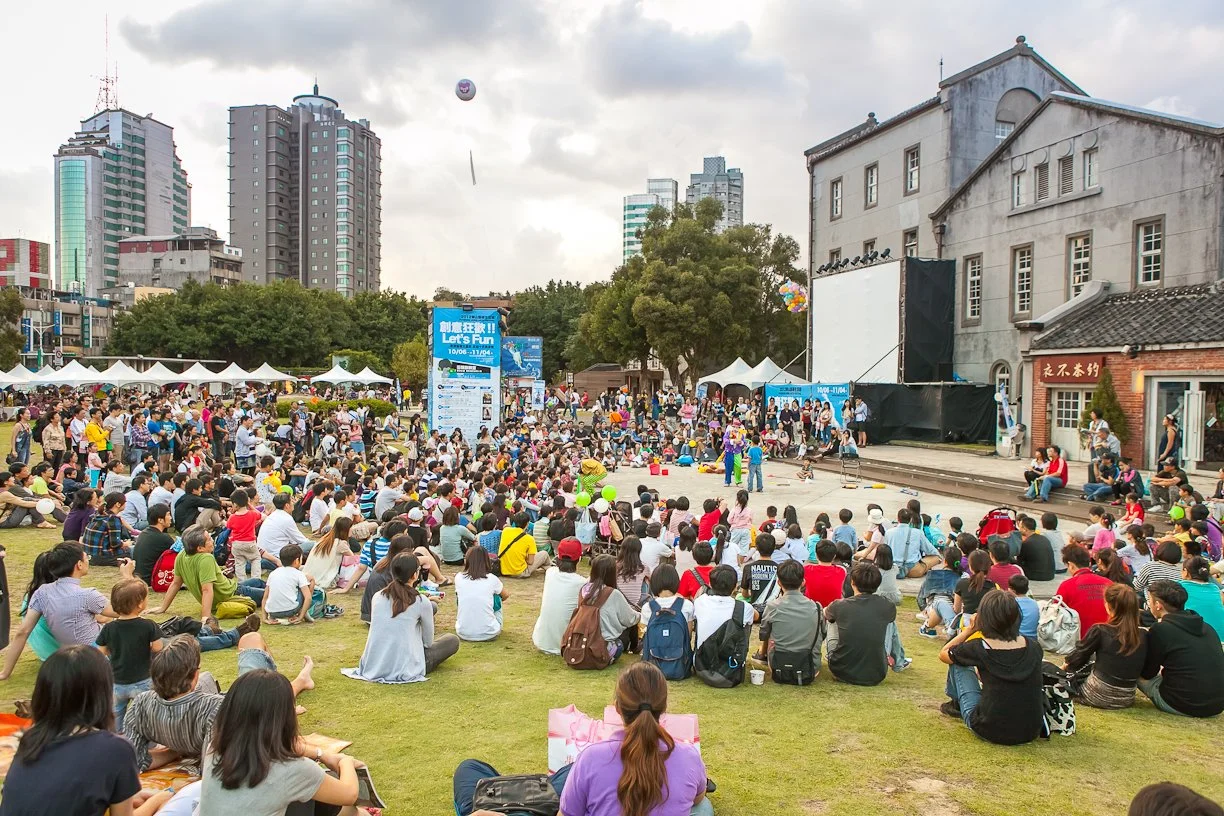
Taipei is home to well-known creative parks like Huashan 1914 Creative Park and Songshan Cultural and Creative Park. These places are often cited as examples of successful creative reuse of industrial heritage. But what makes them work isn’t just architecture or programming—it’s how seamlessly they blend into daily life.
People don’t visit these spaces only for exhibitions or events. They pass through them on the way home. They sit, wait, meet friends, or do nothing in particular. The spaces don’t demand participation; they allow it.
That distinction matters. When creative spaces become too curated, they risk turning creativity into something to be consumed rather than lived with. In Taipei, these places remain porous. They stay part of the city’s rhythm instead of floating above it.
Small-scale creativity, taken seriously
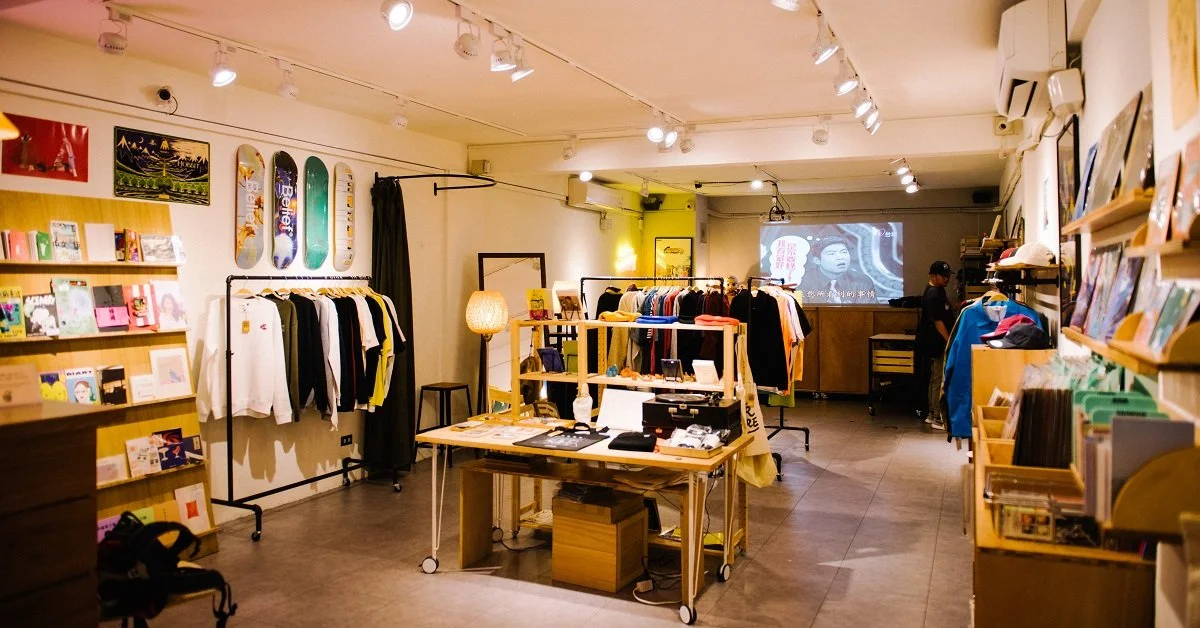
Taipei doesn’t rely on spectacle. Instead, it sustains a dense network of small creative practices—independent bookstores, zine makers, illustrators, designers, ceramicists, photographers.
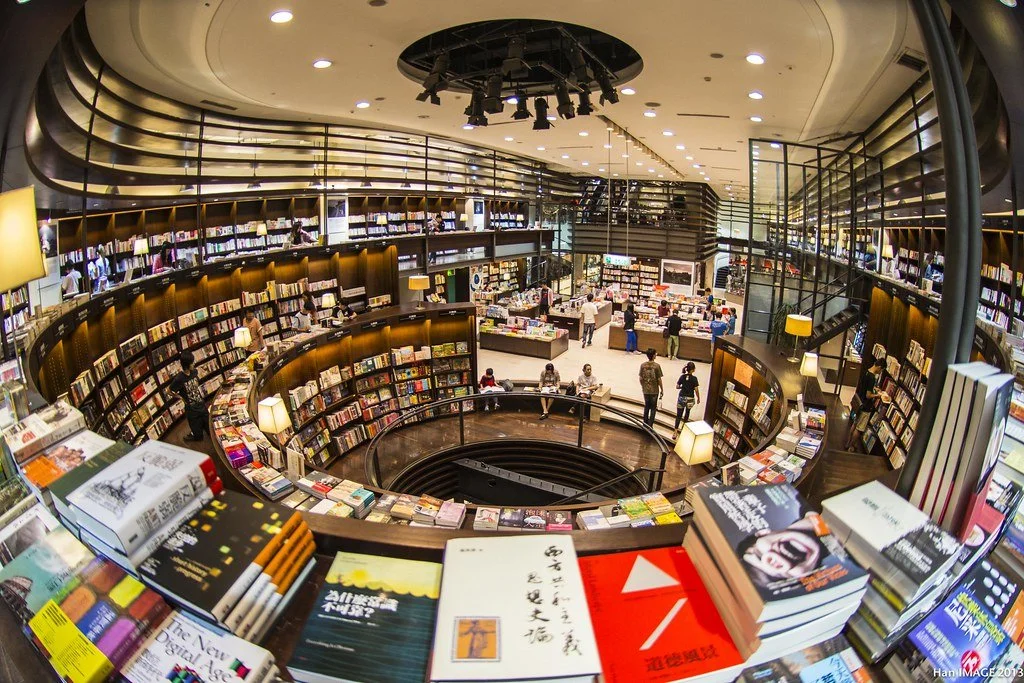
Places like Eslite Bookstore aren’t just retail spaces. They function as cultural anchors, where reading, design, and lifestyle intersect without feeling forced. Zine fairs and indie markets appear regularly, not as trends, but as recurring rituals.
What’s notable is not the scale of these activities, but their continuity. Small creative efforts aren’t treated as temporary experiments waiting to “break out.” They’re allowed to stay small, and in doing so, they stay honest. That stability gives creatives something rare: permission to build slowly.
A culture that values care over noise
Taipei’s creative character is closely tied to broader cultural values—modesty, consideration, and an emphasis on harmony rather than dominance. This doesn’t mean the city lacks bold ideas. It means boldness takes a different form. Instead of shouting, creativity here often manifests as refinement, attention to detail, and thoughtful execution.
Design is careful. Typography is restrained. Storytelling is subtle. Even in pop culture and commercial work, there’s a noticeable avoidance of excess. In a region where visibility often equates to success, Taipei offers an alternative model: relevance without noise.
Creativity without constant justification
Perhaps the most important reason Taipei feels naturally creative is that creativity doesn’t have to constantly prove its economic value.
Not every creative project is framed as an innovation initiative. Not every space is justified as an incubator. Creative work is allowed to exist because it adds texture to the city—not because it promises immediate returns. That doesn’t mean Taipei is anti-business or anti-growth. It means creativity isn’t always measured by acceleration. It’s measured by presence.
And presence is what allows ecosystems to last.
Why this matters beyond Taipei
Taipei’s approach to creativity offers a quiet lesson for other cities and creative communities.
Creative ecosystems don’t thrive simply by attracting talent or funding. They thrive when there is space—physical, mental, and cultural—for people to work without constant pressure to perform. They thrive when creative work is integrated into everyday life, rather than isolated into designated zones or moments. And they thrive when restraint is seen not as a limitation, but as a form of confidence.
Taipei may not brand itself aggressively as a creative capital. But perhaps that’s precisely why it works. Creativity here doesn’t need to be announced. It’s simply allowed to exist—and to stay.
