
How Top Brands Are Using AI in 2025
In 2025, AI stopped being a novelty and started becoming part of how brands actually work.
For several years, brands talked about AI as possibility. Demos, pilots, proof-of-concepts. In 2025, that conversation shifted. The most visible brands moved beyond experimentation and began integrating AI into creative production, brand experience, and commerce systems.
What’s notable is not how flashy these implementations are—but how structural they’ve become. AI is no longer positioned as a magic trick. It’s treated as infrastructure. Below are five case studies that show how major brands are using AI in 2025—not to replace creativity, but to reshape how creativity operates.
1. Coca-Cola — Testing AI in Public
Coca-Cola remains one of the most visible global brands willing to experiment with AI in public. After receiving mixed reactions to AI-generated visuals in earlier campaigns, the company doubled down in 2025 with AI-assisted holiday commercials—this time pairing generative tools more tightly with human creative direction.
According to Adweek , Coca-Cola treated AI less as an automation shortcut and more as a creative collaborator, using it to generate variations while keeping narrative control firmly human-led. The result wasn’t universally praised—but it was deliberate.
Why this matters:
Coca-Cola’s approach shows that large brands can use AI openly, absorb criticism, and iterate. AI here isn’t about perfection; it’s about learning in the open while protecting long-term brand equity.
2. Unilever — AI as Creative Infrastructure
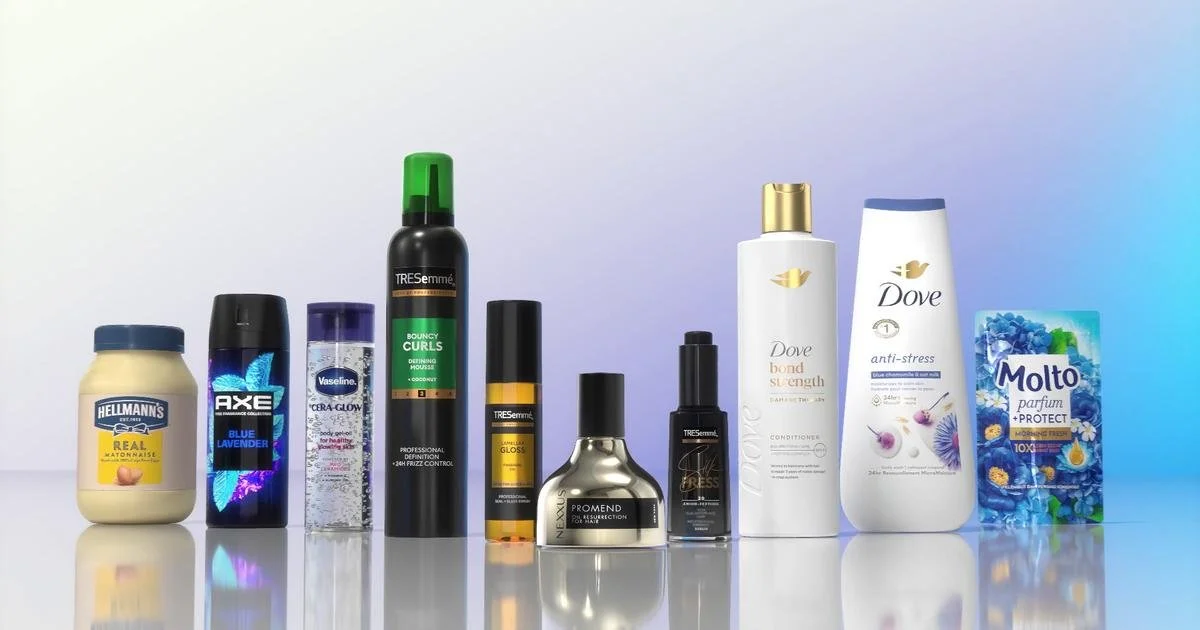
Unilever’s AI story in 2025 is less visible - but arguably more transformative. As reported by Adweek and Fast Company, Unilever introduced AI-generated “digital twins” of products to accelerate content production across brands like Dove and TRESemmé.
Instead of using AI to invent new brand expressions, Unilever focused on speed, consistency, and scale—cutting production timelines and costs while maintaining creative standards. This wasn’t about creativity replacing people. It was about removing friction from the system that supports creativity.
Why this matters:
Unilever shows where AI may have its biggest immediate impact: behind the scenes. When AI strengthens the production layer, creative teams gain more room to think—not just produce.
3. Levi’s — AI, Representation, and Risk
Levi’s became a flashpoint in global discussions about AI and representation after announcing its use of AI-generated fashion models. Coverage from Dailymail framed the move not as a tech upgrade, but as a cultural question.
Levi’s positioned AI models as a way to increase diversity and efficiency in e-commerce imagery. Critics questioned whether synthetic representation undermines real inclusion. What’s important isn’t who’s “right”—but that Levi’s accepted the tension.
Why this matters:
This case shows that AI adoption isn’t just technical. It’s ethical, cultural, and reputational. Brands using AI at the surface level must be ready to engage with consequences—not just benefits.

4. Spotify — When AI Becomes Part of the Brand Voice
Spotify’s use of AI in 2025 is less about showcasing technology and more about shaping experience. Instead of presenting AI as a feature users need to learn, Spotify frames its AI DJ as a familiar voice that guides listening.
In May 2025, Spotify expanded the feature to allow voice requests, making personalization conversational rather than mechanical. The AI doesn’t interrupt the experience; it blends into it—commenting, suggesting, and contextualizing music choices in a consistent, branded tone.
Why this matters:
Spotify shows how AI can move from back-end recommendation logic to a front-facing expression of brand voice, where tone and pacing matter as much as accuracy.
5. Google × Shopify — AI Changes Commerce, Not Campaigns
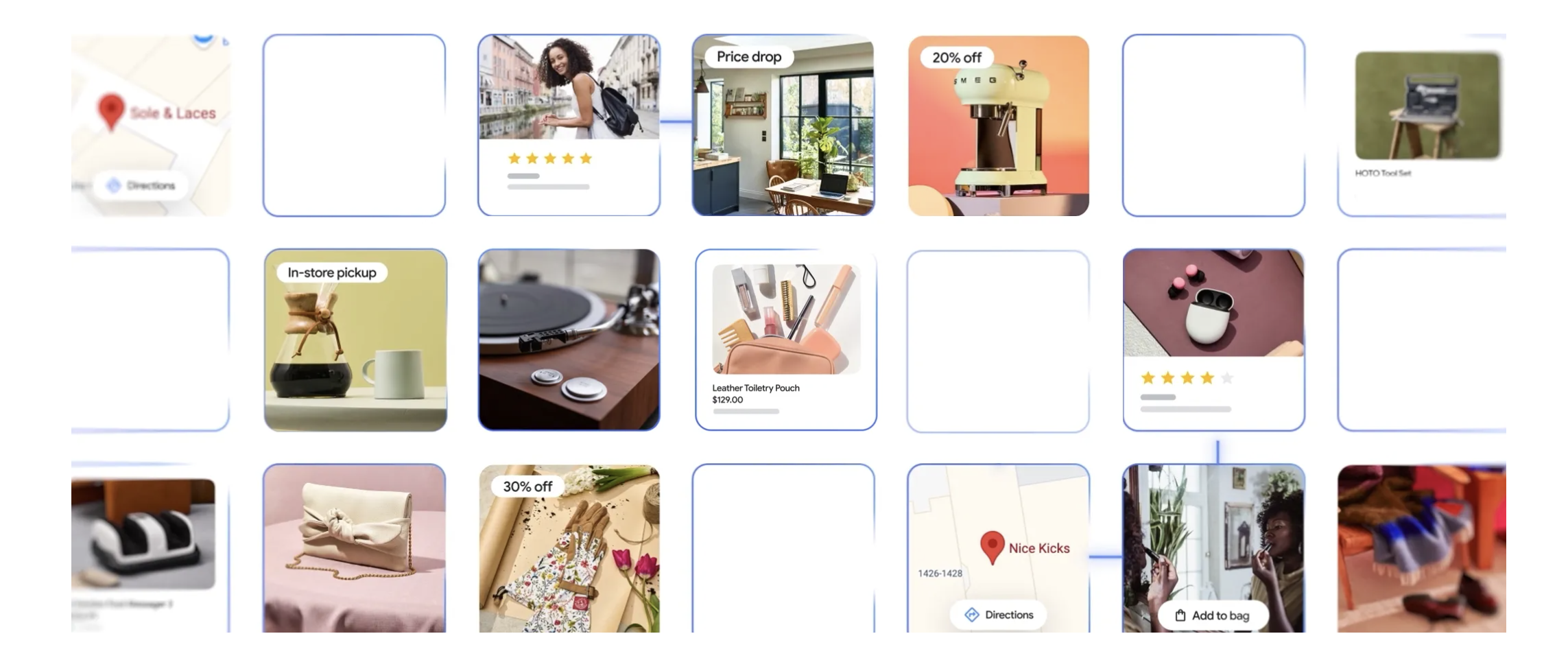
The most structural AI shift in 2025 may not come from marketing teams at all. Reporting from Bloomberg, The Verge, and Financial Times highlights how Google and Shopify are integrating AI directly into commerce discovery and transactions.
Through AI-powered search, conversational shopping, and unified checkout protocols, AI is reshaping how consumers move from intent to purchase—often without traditional marketing touchpoints.
Why this matters:
This case signals a future where brand visibility, discovery, and conversion are embedded inside AI systems. Marketing doesn’t disappear—but it becomes more systemic, less performative.
What These Cases Have in Common
Across these five examples, a pattern emerges:
AI works best when it supports systems, not stunts
The strongest brands treat AI as infrastructure, not identity
Human judgment remains central—especially around ethics, tone, and meaning
In 2025, AI isn’t redefining what brands say. It’s redefining how brands operate. And that shift may matter more than any campaign.
