
The World’s Most Influential Design Weeks You Should Experience at Least Once
Design is no longer confined to studios, screens, or client briefs. It lives in cities, conversations, exhibitions, streets, and temporary communities that appear—then disappear—leaving behind ideas that quietly reshape how we think and create.
That’s why design weeks matter.
Around the world, major design weeks act as cultural pulse-checks. They reveal where design is heading, how societies express their values, and what questions creatives should be asking next. Whether you are a graphic designer, product designer, architect, creative director, or simply someone who cares deeply about aesthetics and meaning, these design weeks are not just events—they are experiences.
Here are some of the most influential design weeks across the globe that are truly worth attending.
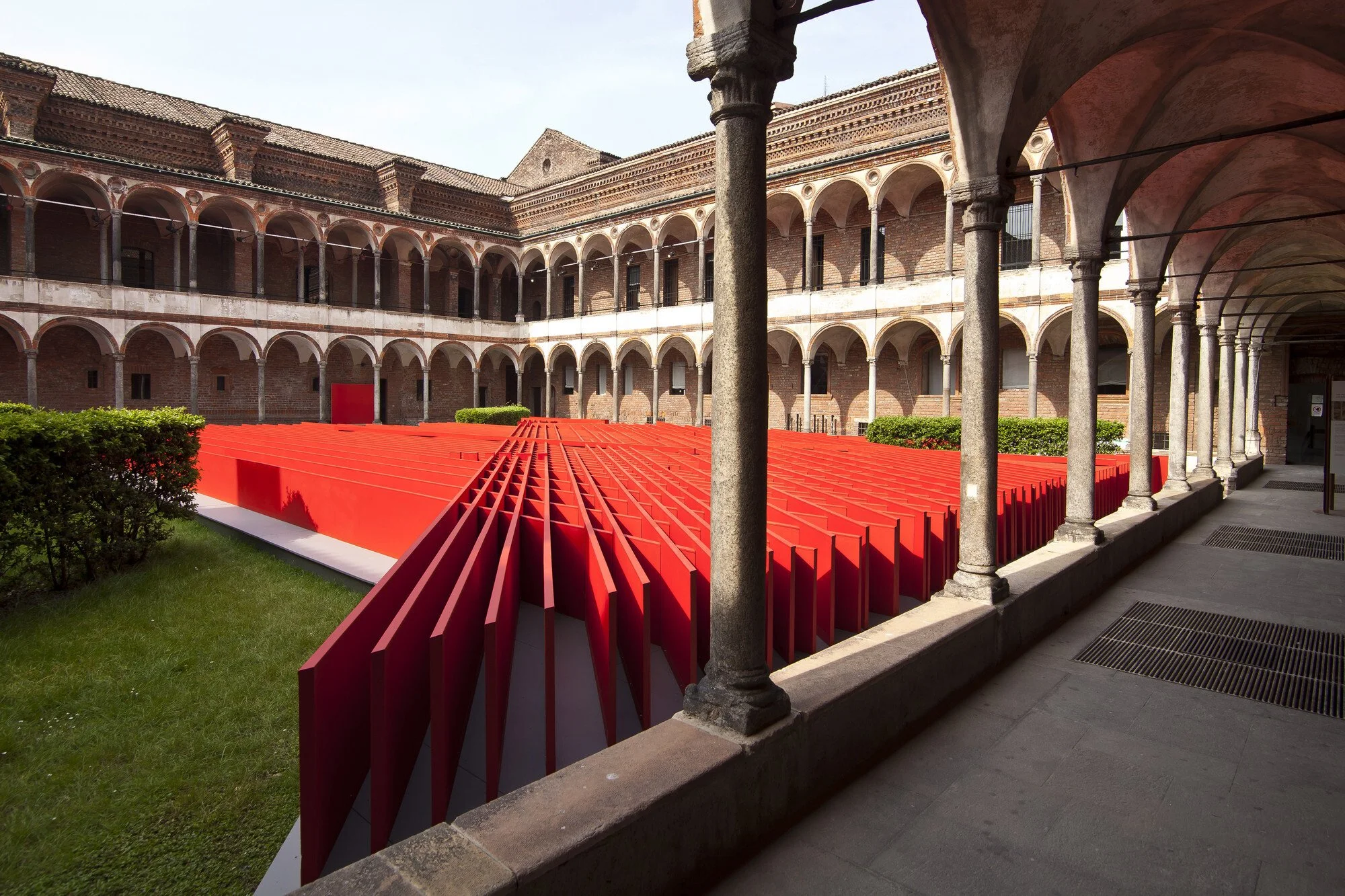
1. Milan Design Week (Italy)
Where design sets the global agenda
If there is one design week that defines the global design calendar, this is it. Held every April, Milan Design Week transforms the city into an open-air laboratory of ideas. At its core is Salone del Mobile, the world’s most prestigious furniture fair—but the real magic often happens outside the exhibition halls.
Through Fuorisalone, entire neighborhoods become stages for experimental installations, brand activations, and cross-disciplinary collaborations. Fashion houses explore furniture, tech brands dive into storytelling, and young designers share space with legacy studios.
Milan Design Week is intense, crowded, and sometimes overwhelming—but it’s also where trends are born before they reach the rest of the world. If you want to understand the future of design at scale, Milan is essential.
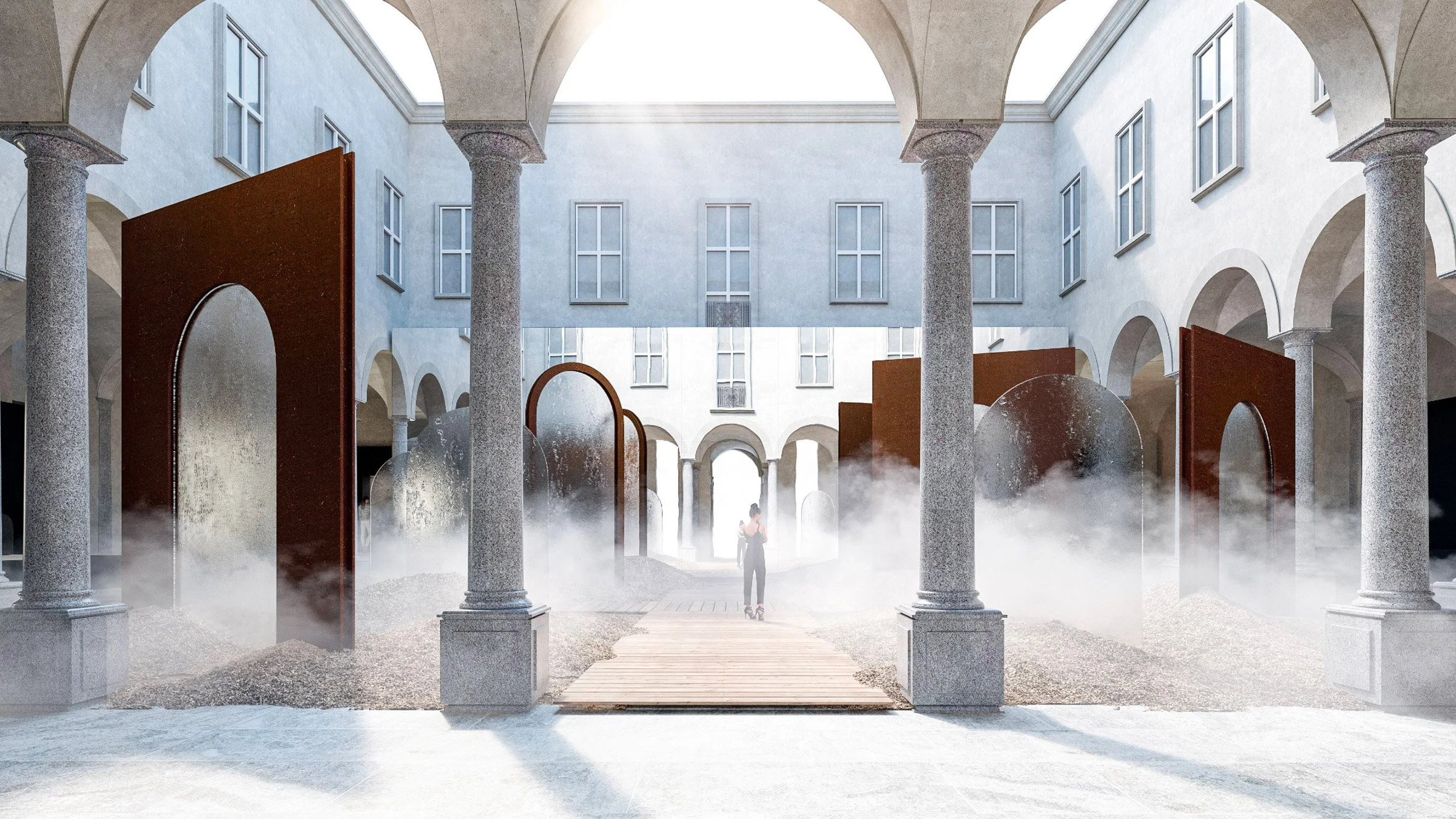
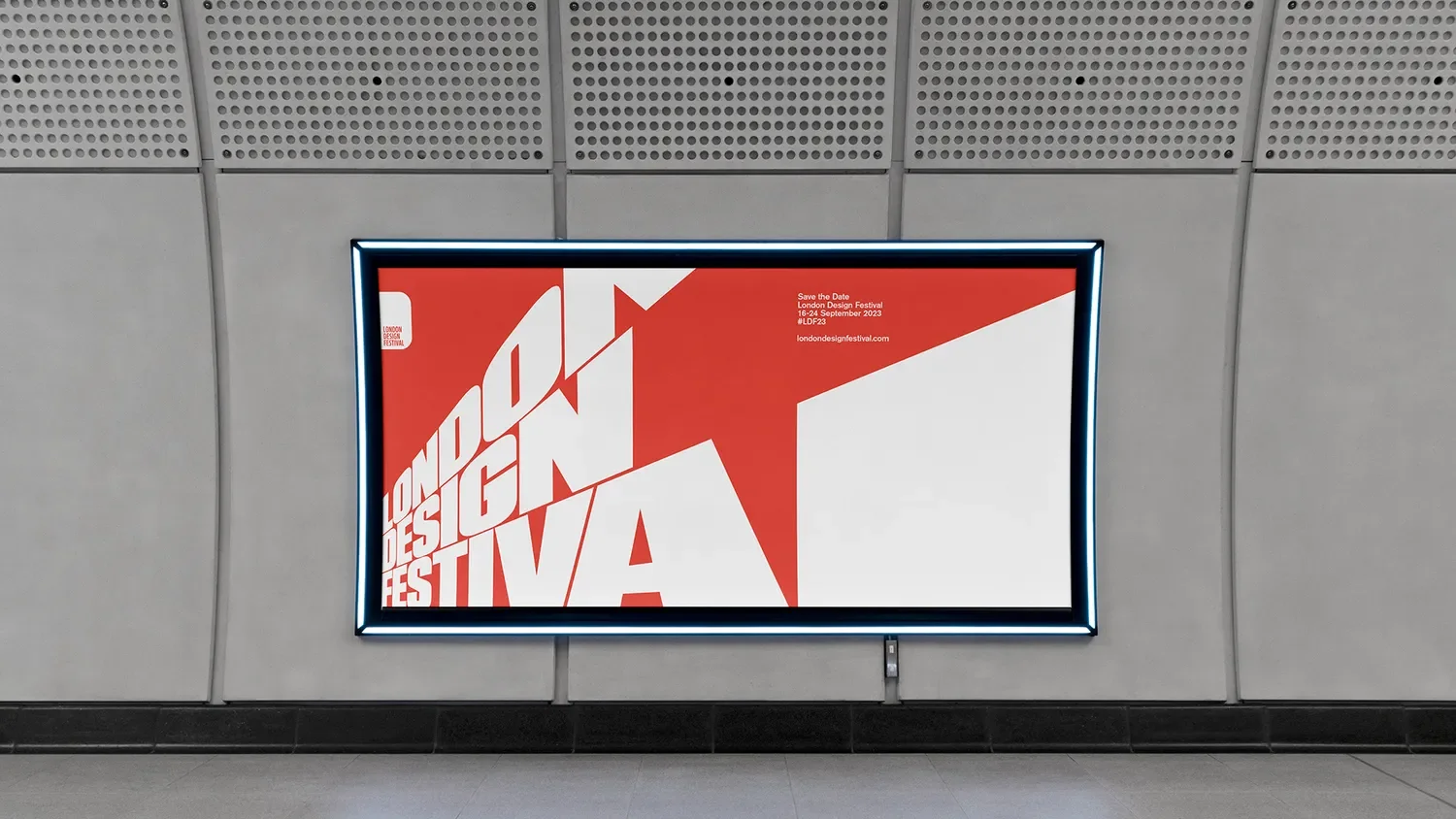
2. London Design Festival (United Kingdom)
Concept-driven, critical, and intellectually sharp
London Design Festival feels different from Milan—and that’s its strength. Instead of glamour and spectacle, London leans into ideas, systems, and critical thinking. Design here is often political, speculative, and socially engaged.
From installations at the V&A Museum to emerging talent showcases and independent studios, the festival reflects London’s multicultural, academic, and experimental spirit. Designers don’t just show objects—they question processes, ethics, sustainability, and power structures.
If you’re interested in design as a thinking tool rather than just a visual outcome, London will challenge you in the best way.
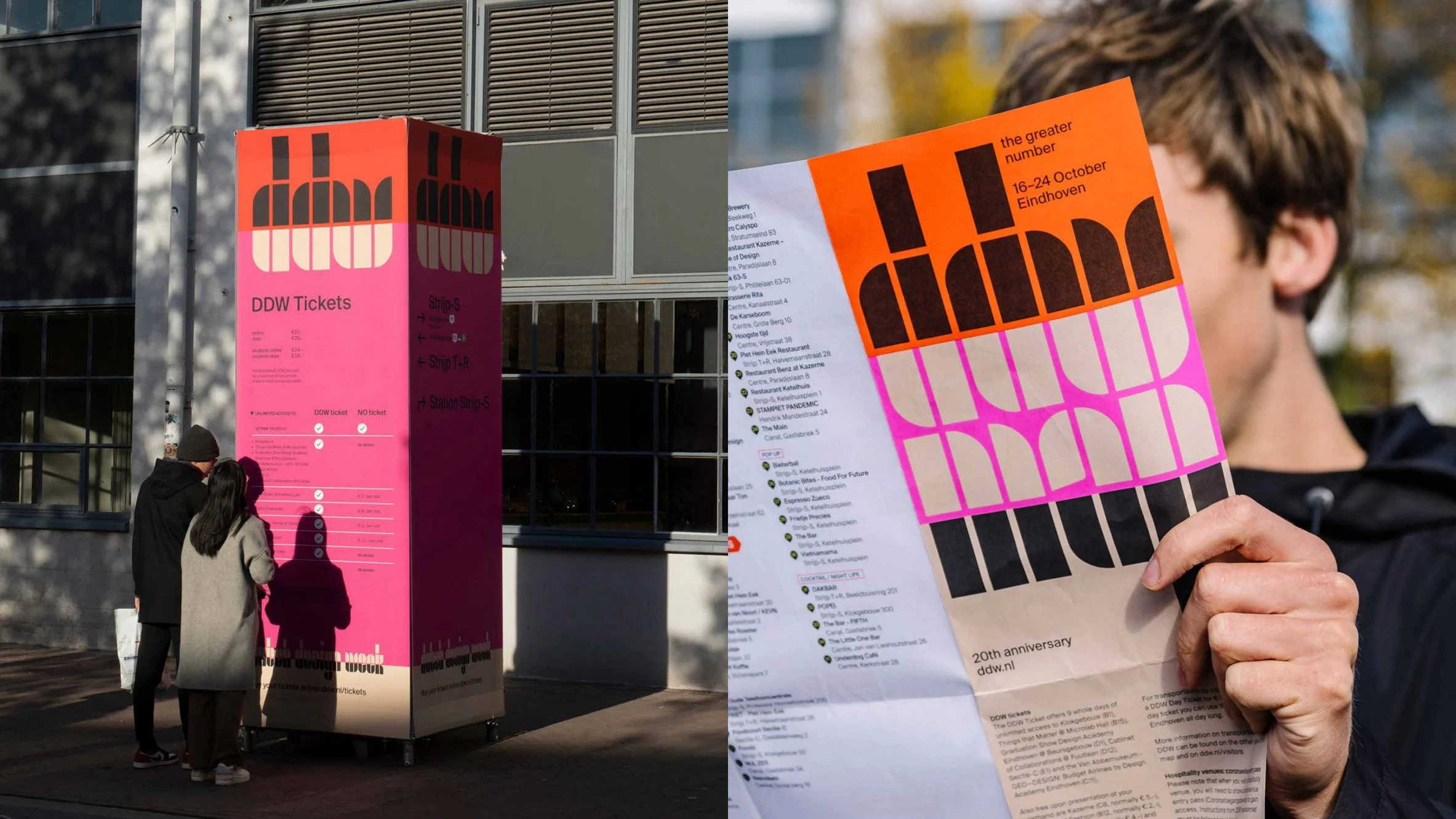
3. Dutch Design Week (Netherlands)
Raw ideas, honest experiments, real futures
Held in Eindhoven, Dutch Design Week is where unfinished ideas are welcome. Unlike polished trade shows, DDW celebrates prototypes, failures, and questions in progress.
Designers here focus heavily on sustainability, material research, social design, and speculative futures. You’ll see projects that are rough around the edges—but rich in intention and depth.
Dutch Design Week is perfect if you’re tired of surface-level aesthetics and want to reconnect with why you design in the first place. It reminds you that design is a process, not just a product.
4. New York Design Week (United States)
Where design meets business, culture, and media
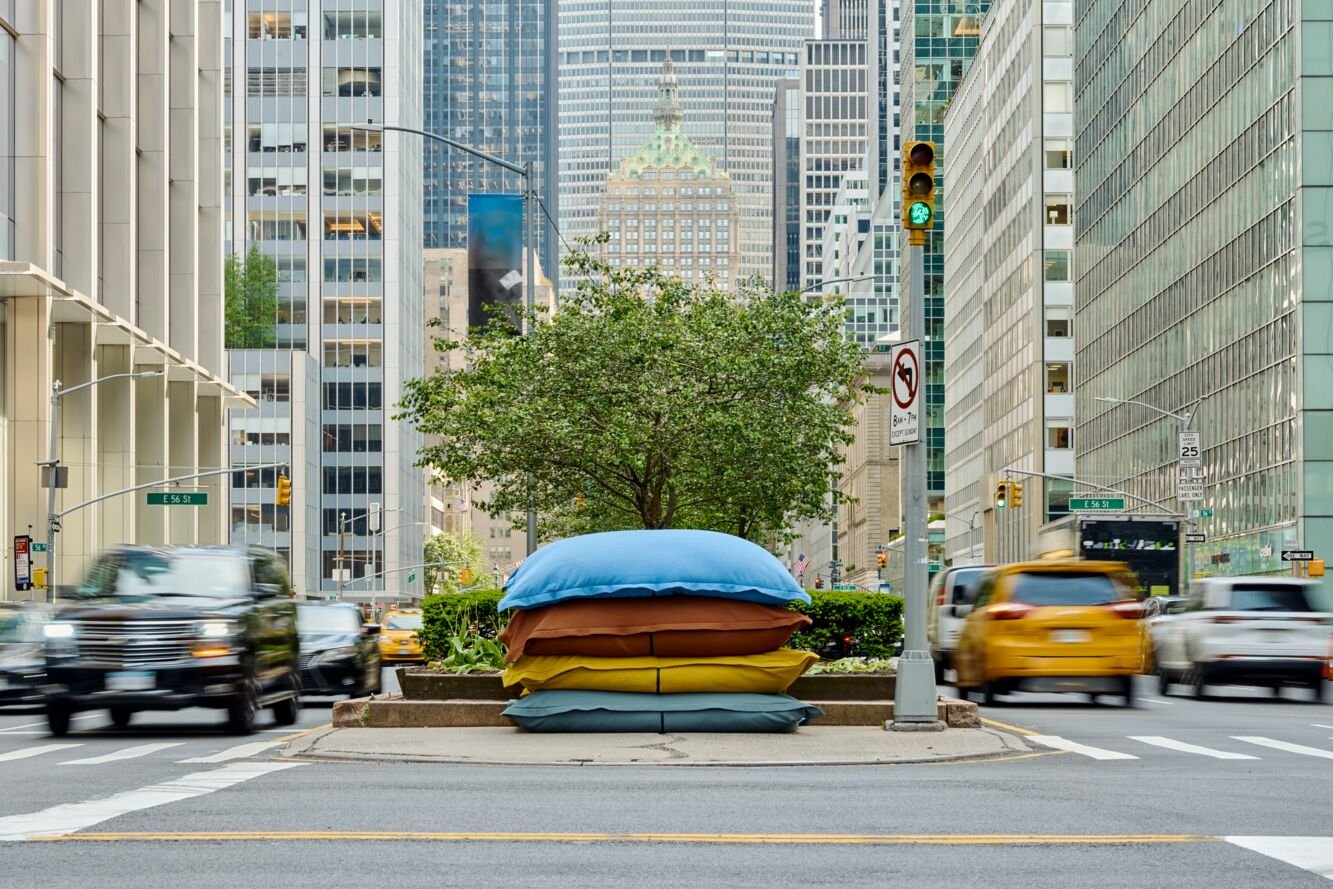
New York Design Week, part of the NYCxDesign program, reflects the city itself—fast, diverse, and commercially aware. Here, design sits at the intersection of branding, technology, fashion, and entrepreneurship.
The exhibitions may feel less poetic than in Europe, but they are highly relevant to real-world practice. You’ll encounter strong storytelling, strategic thinking, and design that understands market dynamics.
If you’re a creative who wants to bridge art and business without losing integrity, New York offers valuable perspective.
5. Tokyo Design Week (Japan)
Minimalism, precision, and a city-wide creative ecosystem
Tokyo Design Week is not a single, centralized festival—it’s a constellation of events unfolding across the city, each with its own voice and focus. This decentralized structure is precisely what makes Tokyo’s design scene so compelling.
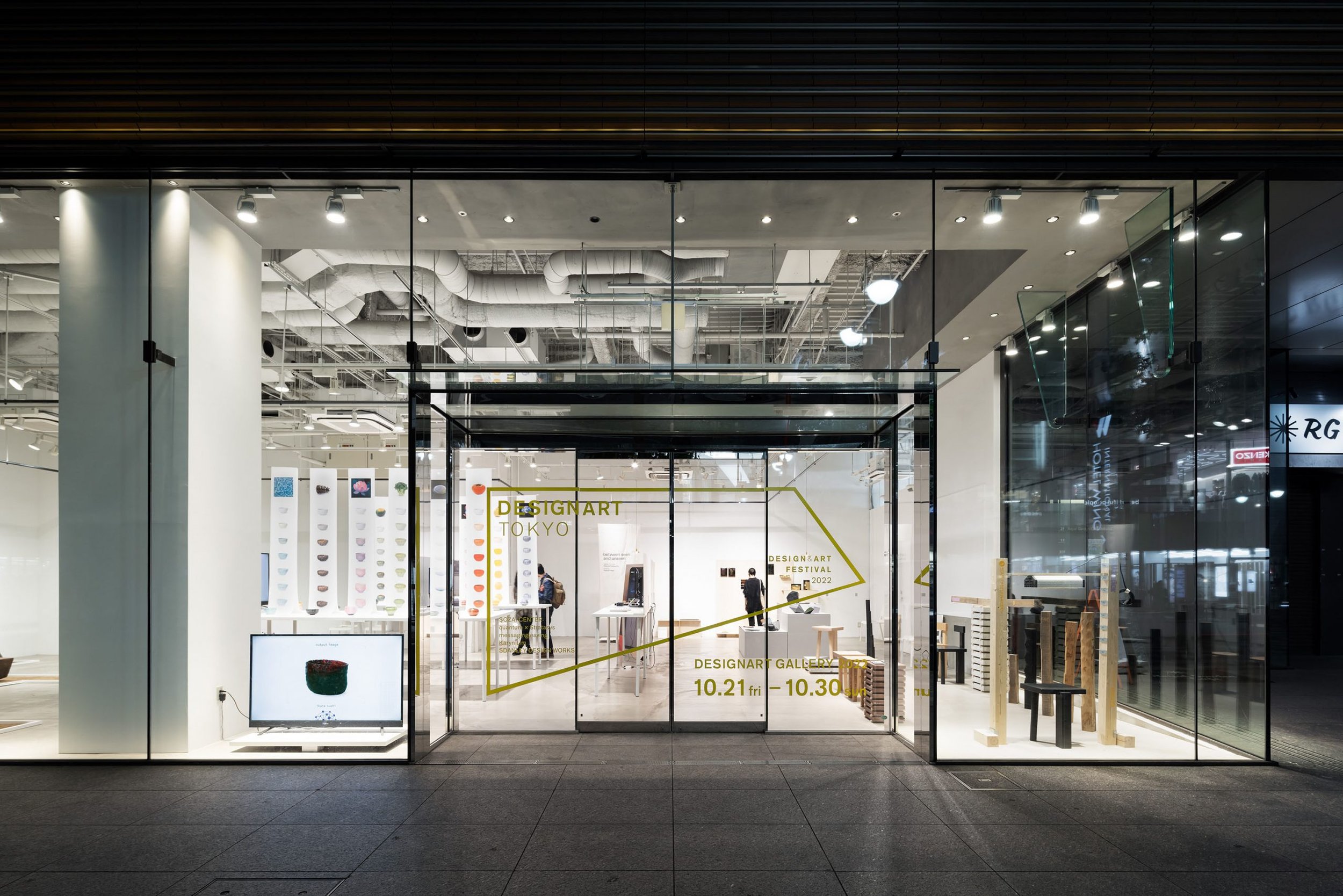
At the heart of it is Designart Tokyo, a city-wide initiative that showcases art and design through galleries, boutiques, hotels, and public spaces. Rather than isolating design in exhibition halls, Designart integrates creativity into everyday urban life—quietly elegant, very Tokyo.
Alongside it, the Tokyo Biennale brings a more experimental, interdisciplinary approach, connecting art, design, architecture, and social practice. For designers interested in how creativity engages with public space and civic life, this is where ideas stretch beyond objects.
There is also Ethical Design Week Tokyo, which focuses on sustainability, responsibility, and ethics in design—less about visual trends, more about long-term impact and values. It’s thoughtful, restrained, and refreshingly serious.
Rounding out the ecosystem is DESIGNTIDE TOKYO, known for highlighting next-generation designers through exhibitions and curated design markets. This is where emerging voices, experimental forms, and future-facing ideas come into view.
These events take place across neighborhoods such as Omotesando, Shibuya, and Roppongi, each adding its own cultural texture. Together, they transform Tokyo into a distributed international creative hub—subtle rather than loud, layered rather than linear.
For designers drawn to restraint, craftsmanship, ethical thinking, and quiet innovation, Tokyo doesn’t shout for attention. It invites you to slow down, observe carefully, and listen. And somehow, that makes its influence last much longer.
6. Seoul Design Festival (South Korea)
Youthful energy and future-facing visuals
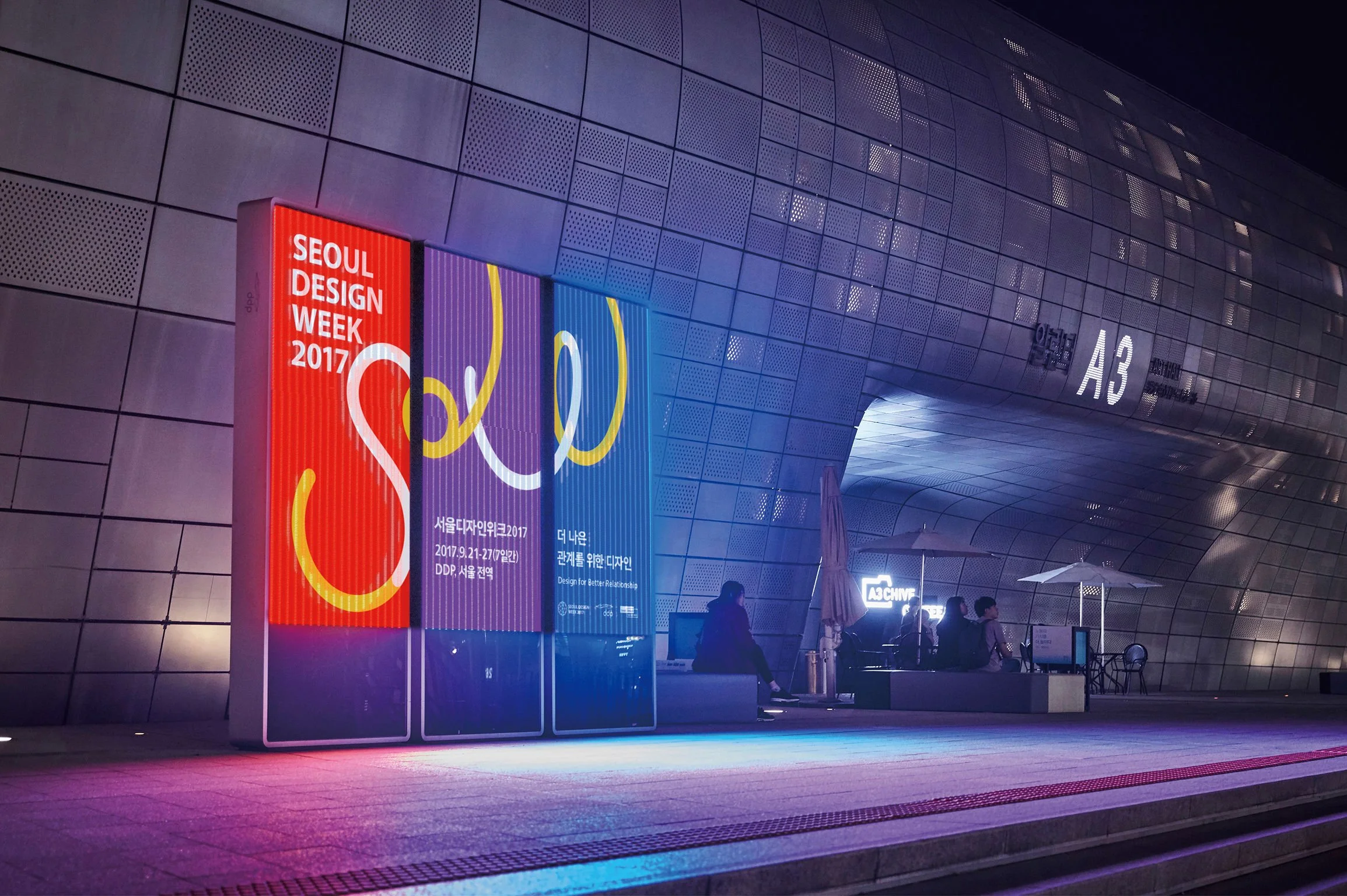
Seoul Design Festival captures the energy of a city moving fast and thinking ahead. Strong visual language, digital culture, and pop aesthetics blend with serious conversations about urban living and technology.
It’s especially inspiring for graphic designers, digital creatives, and brand designers who want to see how culture, youth, and design intersect in contemporary Asia.
Beyond the Big Names: Rising Design Weeks to Watch
Beyond the well-established design capitals, a new wave of design weeks is emerging—more regional, more experimental, and often closer to real social contexts. These events may be smaller in scale, but they are rich in identity and ambition.
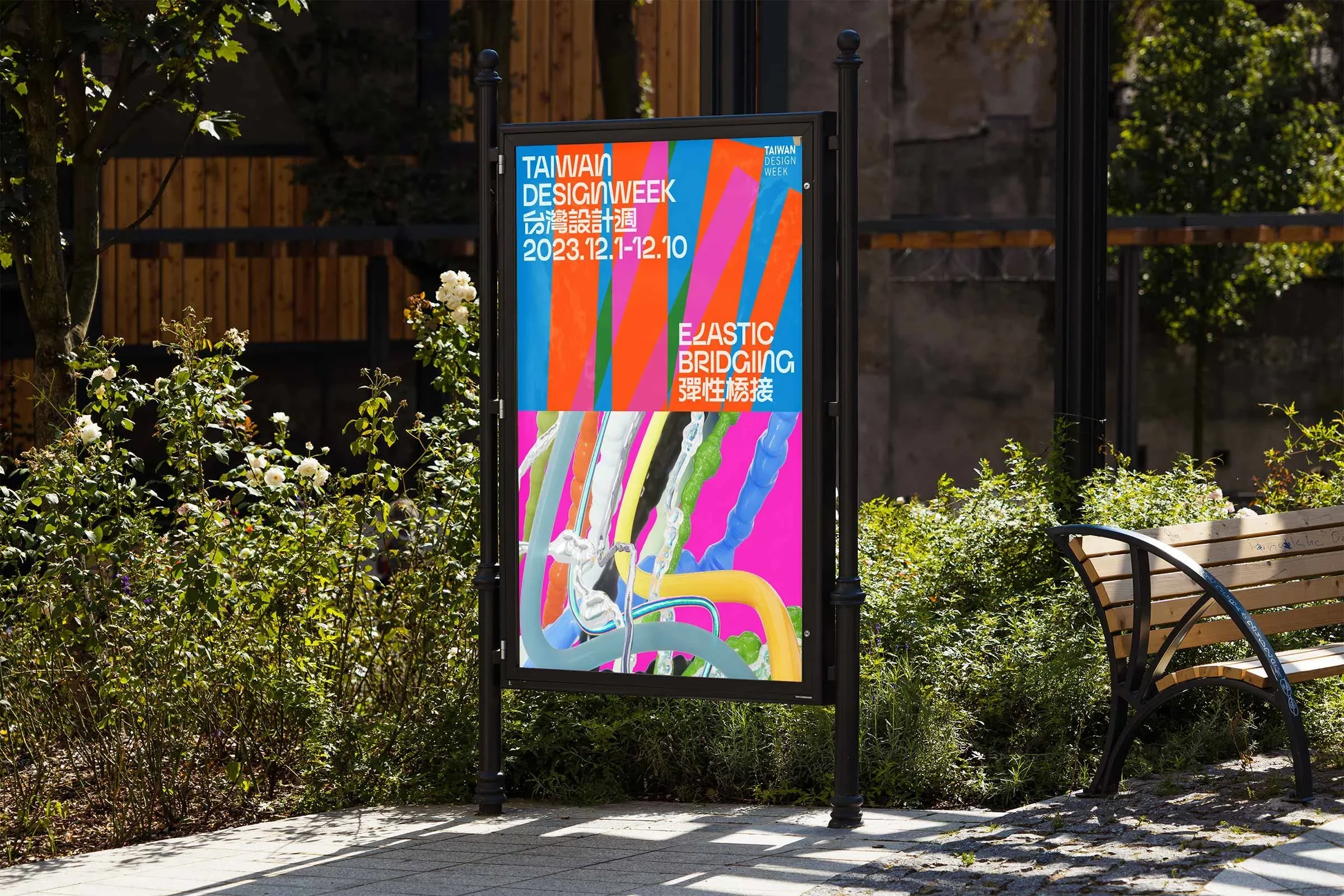
Taiwan Design Week reflects Taiwan’s growing confidence in blending technology, craftsmanship, and cultural storytelling. The focus here is on local narratives, design for everyday life, and thoughtful innovation—quietly sharp, never overproduced.
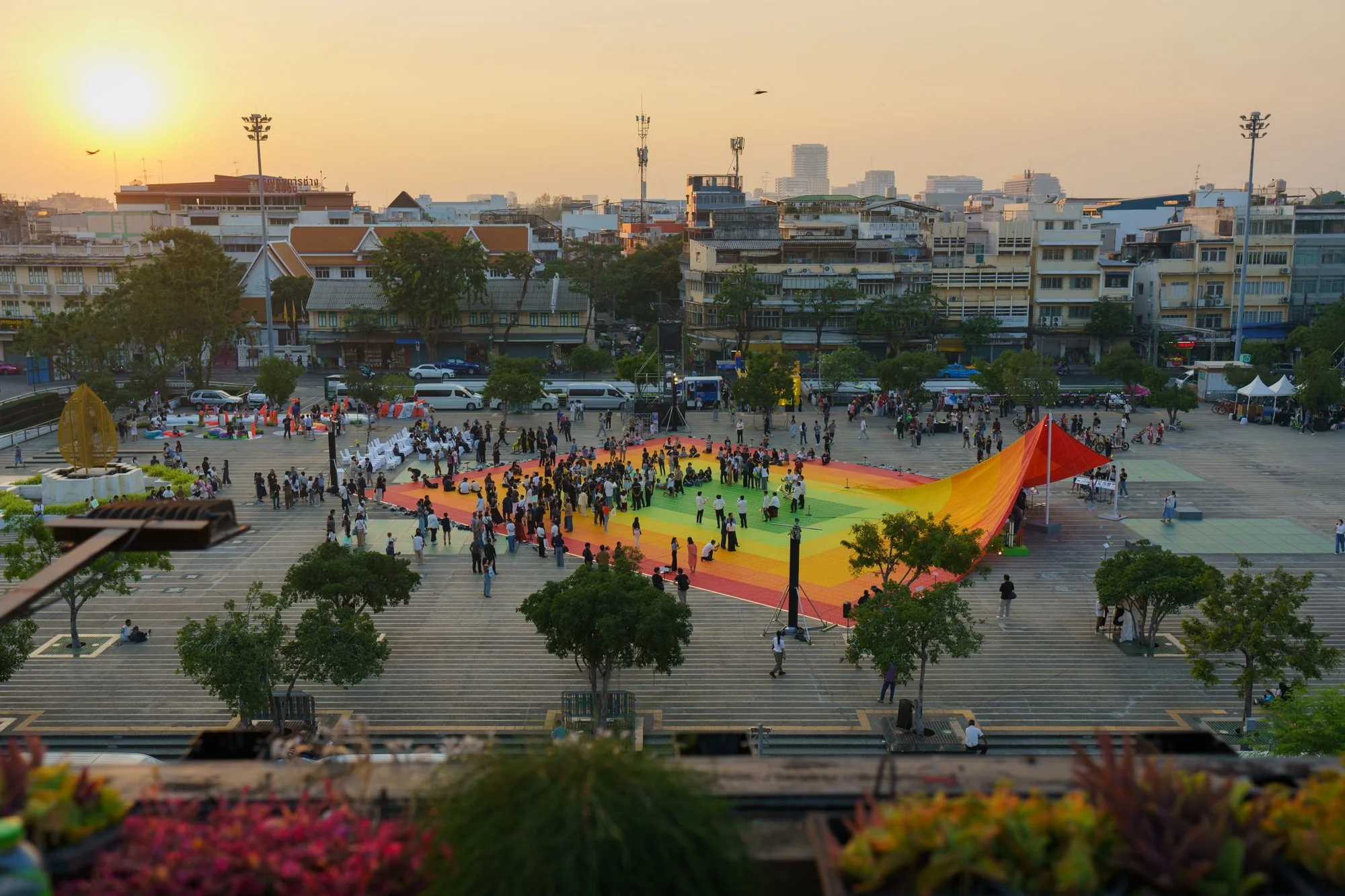
Bangkok Design Week brings vibrant energy to Southeast Asia’s creative scene. Rooted in urban life, community, and sustainability, it turns Bangkok into a living design playground—where street culture, social design, and contemporary visuals collide in refreshingly practical ways.
Meanwhile, Dubai Design Week positions itself at the intersection of global luxury, architecture, and future-focused thinking. With strong representation from the Middle East, Africa, and South Asia, Dubai offers a perspective that’s often missing from Euro-centric design conversations.
These emerging design weeks are not trying to imitate Milan or London—and that’s exactly why they matter. They offer designers the chance to discover new voices, new markets, and new ways of thinking. Sometimes, the most meaningful inspiration doesn’t come from the biggest stage, but from places still defining their own design language.
Why Design Weeks Matter More Than Ever
In an era of endless scrolling and algorithm-driven inspiration, design weeks offer something rare: presence. You walk, observe, talk, argue, feel confused, feel inspired—and leave changed in subtle ways.
You don’t attend design weeks to copy trends. You attend them to recalibrate your taste, question your assumptions, and reconnect with a global creative community.
You may come back with tired feet, an overloaded camera roll, and a notebook full of half-formed ideas—but one of those ideas might quietly change how you design for years.
And honestly? That alone is worth the trip.
