
Mascot Design — More Than Just a Character: Why Good Mascots Change the Game
In the world of branding and visual storytelling, mascots are the unsung heroes. They’re not just cute characters plastered on a t-shirt or digital avatar floating across a website — the best mascot designs become emotional bridges between a brand and its audience. Think of them as the friendly interpreters of your brand personality: approachable, memorable, and deeply human — even if they’re a panda wearing skates or an imaginative creature no one’s seen before.
The magic of mascot design lies in its ability to transform abstract brand values into something tangible, playful, and instantly recognizable. Let’s unpack what makes a mascot design work — and how you can use one to elevate your brand in meaningful ways.
What Is a Mascot, Anyway?
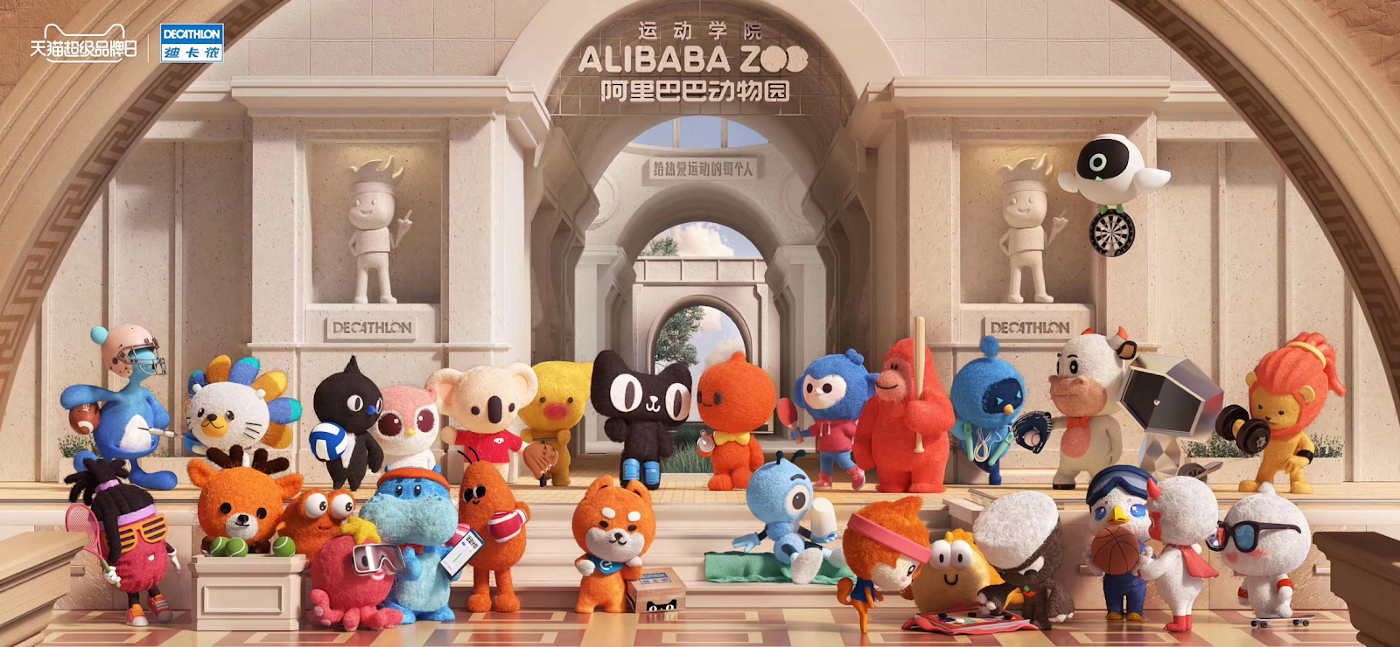
At its core, a mascot is a representative character that embodies the ethos, tone, and values of a brand or organization. Mascots can be anthropomorphized animals, animated objects, caricatures of people, or entirely original creatures. What they share is personality and presence — they tell a story without saying a word.
While logos are symbols and shorthand visual cues, mascots are living, breathing brand ambassadors that can connect emotionally with audiences. They do more than look nice; they invite engagement, build trust, and make your message stick in people’s minds.
Why Mascot Design Matters
Great mascots are strategic — not random:
1. Mascots Build Emotional Connections
Psychologically, people respond better to characters than to abstract visuals. Mascots can elicit nostalgia, joy, curiosity, or even empathy, and that emotional engagement translates to brand loyalty and recall. When customers “meet” a mascot they like, they’re likelier to remember the brand behind it.
2. They Humanize Complex or Dry Concepts
Some sectors — like tech, insurance, finance, or utilities — deal with topics that aren’t innately exciting. A well-crafted mascot can bridge the gap between complexity and clarity by representing a brand’s values in an approachable way.
3. Mascots Become Multi-Purpose Marketing Assets
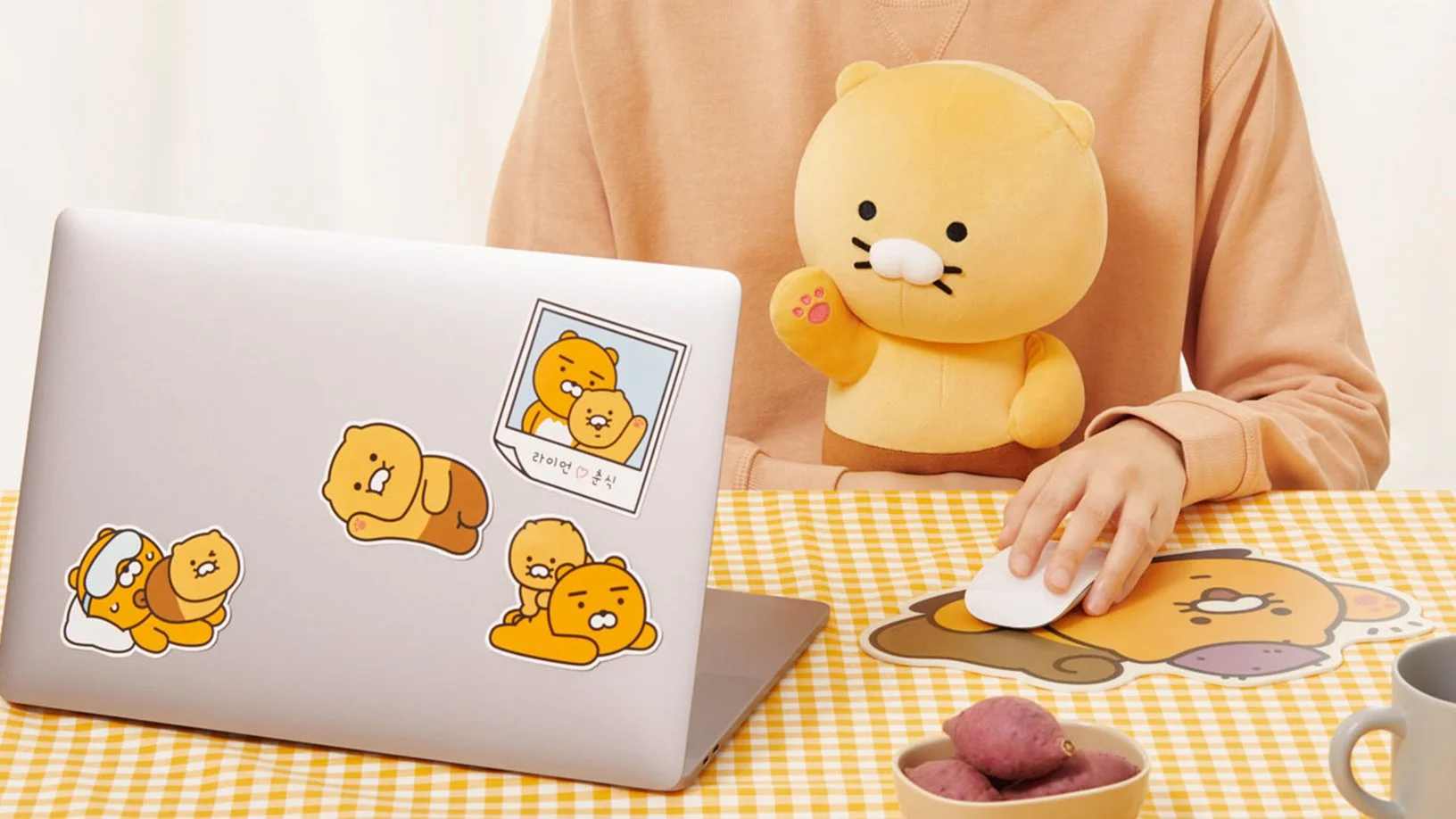
Once created, mascots can show up everywhere: from website headers and social media content to packaging, live events, merchandise, and even animations. They’re versatile storytellers that bring continuity across platforms.
5 Steps to a Mascot That Actually Works
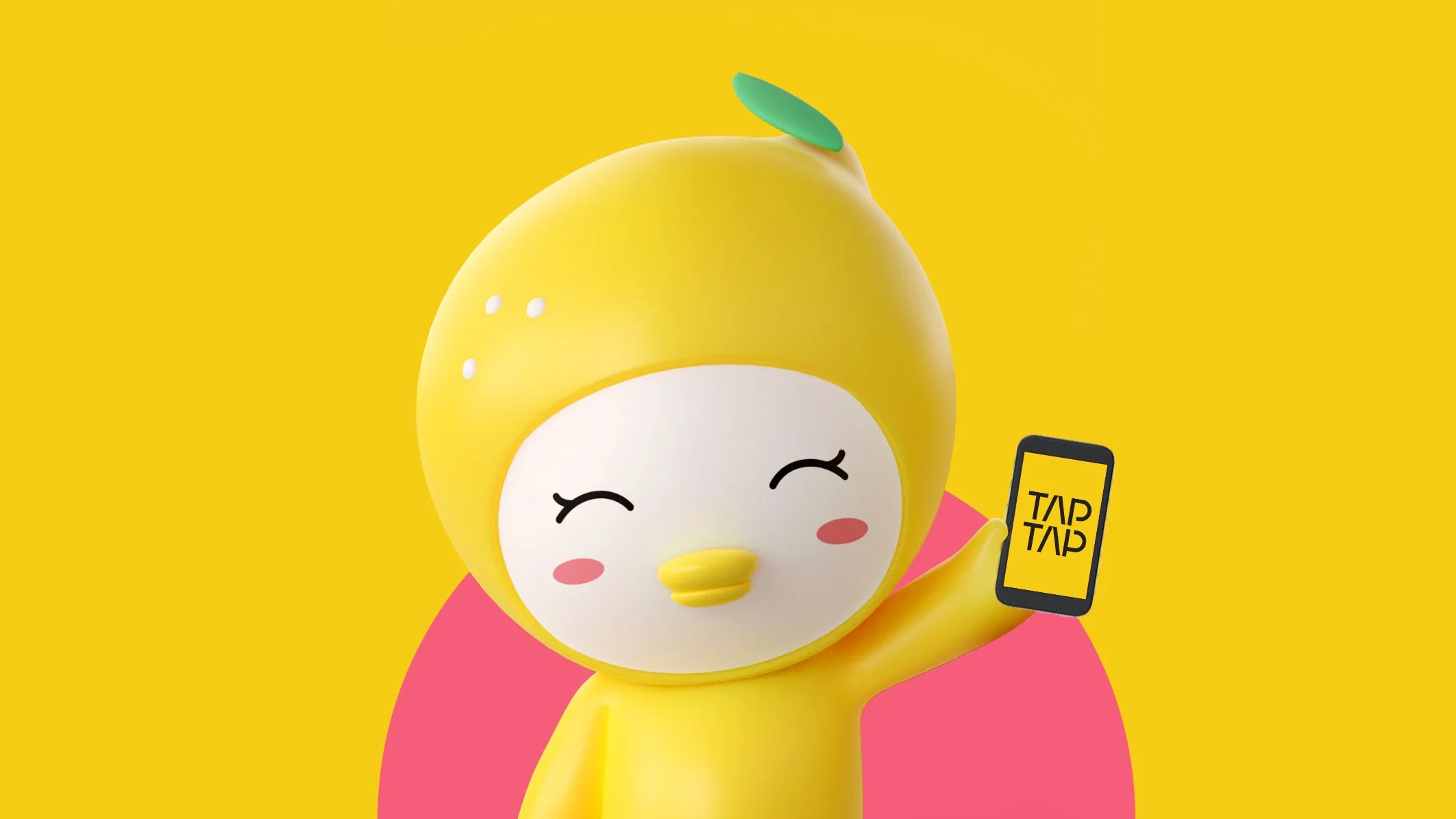
A mascot shouldn’t be whimsical only for whimsy’s sake — it should be thoughtful, strategic, and embedded in your brand identity.
1. Define the Brand Personality First
Before putting pencil to paper, ask: Who is this brand at its core?
Is it playful or serious?
Youthful and rebellious, or trustworthy and subdued?
The answers to these questions inform everything from the mascot’s expression to its colors and movement. The character must feel like a natural extension of your brand values.
2. Know Your Audience Intimately
You wouldn’t design a mascot the same way for kids as for executives. Understanding your audience’s preferences, cultural cues, and visual language helps you craft a mascot that resonates rather than distracts. Ask yourself:
What do they like?
What feelings do they respond to?
What visuals feel familiar or exciting to them?
Matching style with audience expectations increases emotional connection and engagement.
3. Choose the Right Form and Style
Mascots can take many shapes:
Animals — universally relatable and full of personality.
Humans — great for relatability, especially if your brand is people-centric.
Objects with personality — whimsical and unique.
What matters is that the form reinforces your message and doesn’t feel arbitrary. The character’s style — cartoonish, realistic, minimal, or bold — should align with your brand’s visual language.
4. Keep It Simple but Distinctive
Too complicated, and your mascot becomes forgettable. Too generic, and it blends into the noise. Think of mascots like logos — they must be recognizable at a glance. Focus on:
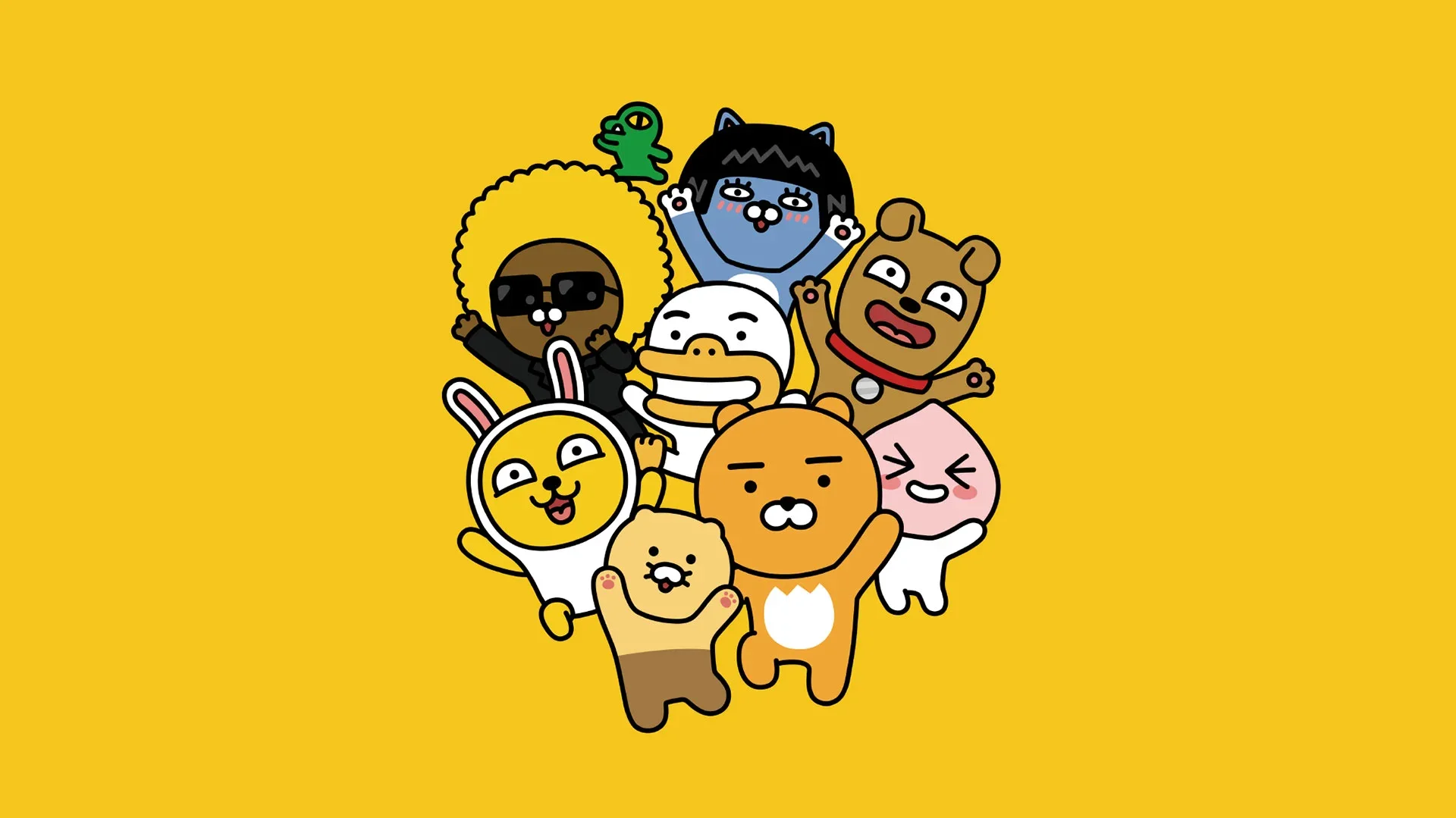
Clear silhouettes
Distinctive color palettes tied to your brand
Memorable facial expressions or gestures
These design decisions help your mascot pop visually, even at small sizes or in busy contexts.
5. Test, Refine, and Iterate
No great mascot was perfect on the first draft. Share early versions with test audiences, designers, and stakeholders. Collect feedback and refine:
Does the mascot communicate the intended emotion?
Is it memorable?
Does it fit within your overall brand ecosystem?
Use this insight to iterate — sometimes small tweaks to posture, expression, or color can make the difference between forgettable and iconic.
Mascots in the Wild: What We Can Learn from Examples
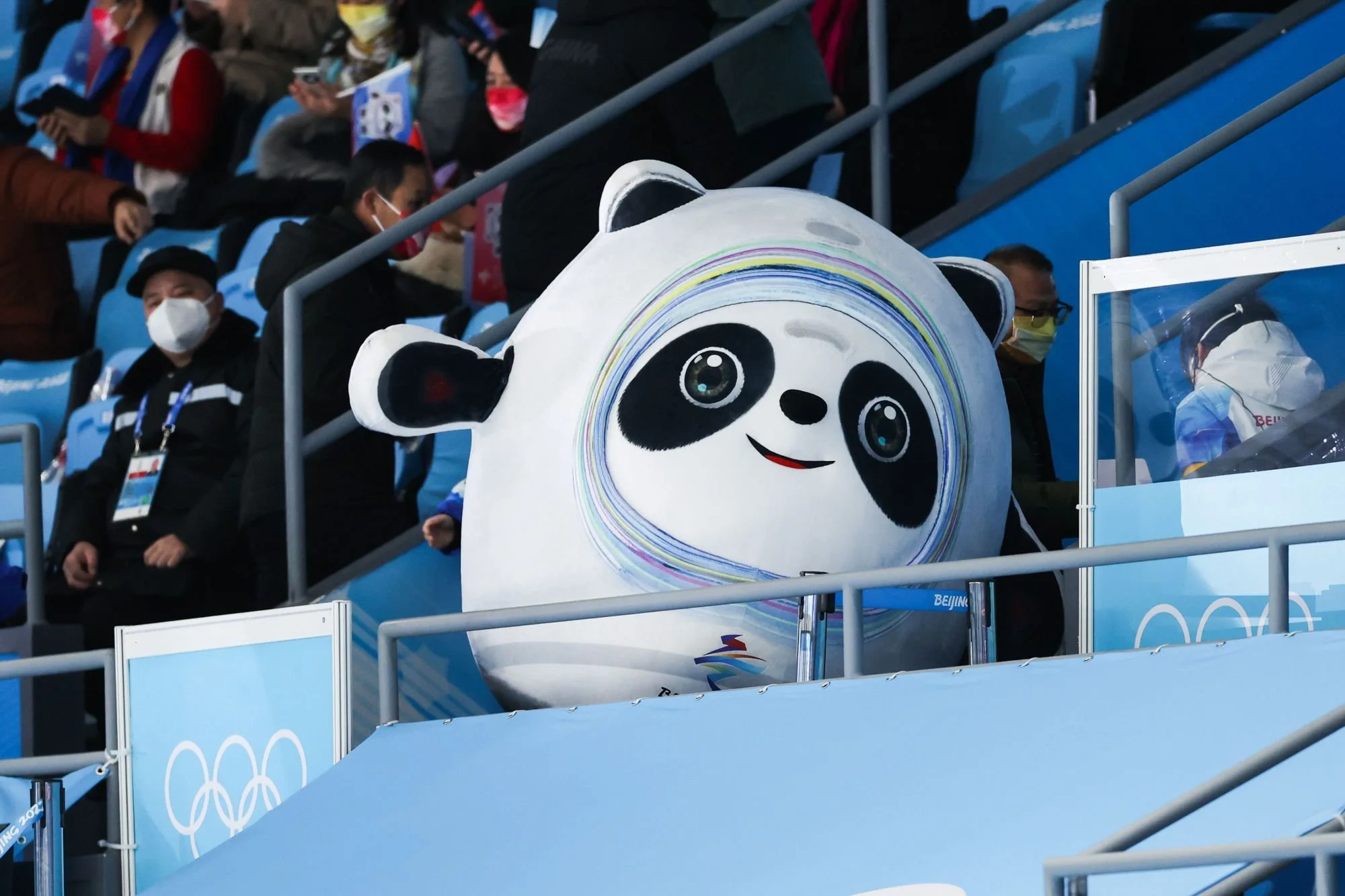
Some mascots are so successful they become symbols in their own right. Olympic mascots like Bing Dwen Dwen exemplify how deeply design choices can resonate: its panda form, friendly posture, and stylized use of color represented both the spirit of competition and cultural identity in a way millions connected with worldwide.
Famous mascots can become emotional anchors for fans and communities — proof that a well-designed character stays with audiences long after the first impression.
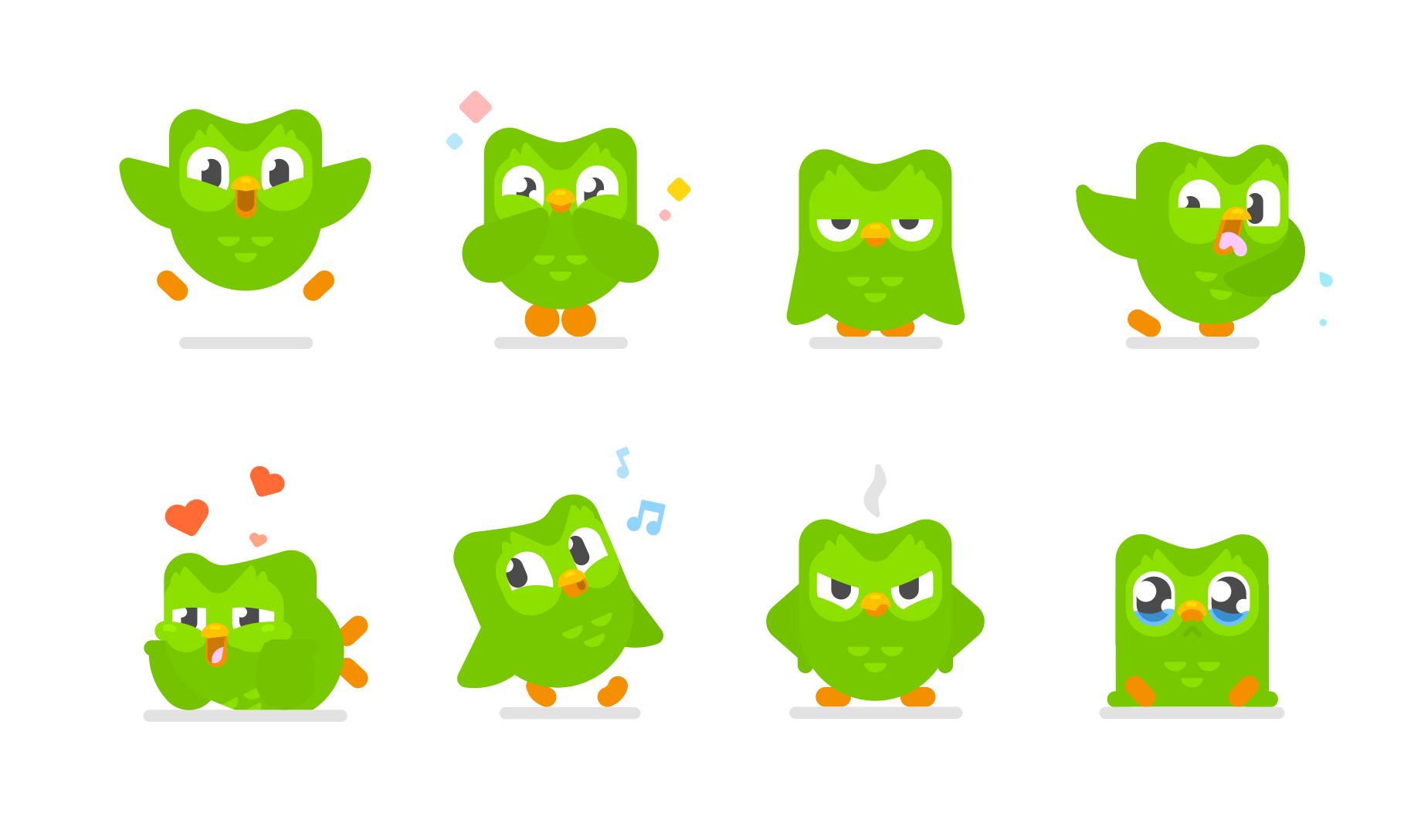
Beyond the Character — Mascots as Storytellers
Mascot design isn’t just visual — it’s narrative. A good mascot has a backstory, motivation, and personality traits that give life to the brand story. Whether used in micro-interactions on digital platforms or big theatrical moments in advertising campaigns, mascots become narrative tools that show rather than tell who you are and what you believe in.
Final Thought: Mascots Are Strategic, Not Decorative
If a mascot is just cute decoration, it won’t move the needle. A great mascot is a strategic investment — a friendly face that embodies your values, connects with your audience, and helps you stand out in a crowded visual space.
Designing one thoughtfully means your brand doesn’t just speak — it makes friends.
