
Why Bangkok Was Recognized by UNESCO as a “Creative City of Design”
When people think of Bangkok, they often picture vibrant street life, ornate temples, bustling markets, and a city that never seems to slow down. But beneath the chaos and color lies something more deliberate: a deeply rooted design culture that connects tradition, everyday life, and contemporary innovation. This is precisely why Bangkok was officially recognized by UNESCO as a Creative City of Design under the UNESCO Creative Cities Network.
This recognition is not about aesthetics alone. It reflects how design functions as a strategic tool for cultural continuity, social inclusion, and economic development. Bangkok’s design identity is not curated in isolation—it is lived, improvised, and constantly evolving.
Design as Everyday Culture, Not an Elite Concept
One of Bangkok’s most defining strengths is that design is embedded in daily life rather than confined to galleries or design studios. From street food carts engineered for mobility and efficiency, to improvised shopfront signage combining typography, illustration, and humor, design in Bangkok is practical first—and expressive by default.
This everyday design thinking reflects a city that solves problems creatively under real constraints: limited space, dense populations, informal economies, and extreme climate. Bangkok’s visual language grows from necessity, not trend cycles. UNESCO values this deeply human-centered approach, where design improves life without announcing itself.
In Bangkok, design is not precious. It is alive, adaptable, and accessible.
A Powerful Dialogue Between Tradition and Contemporary Design
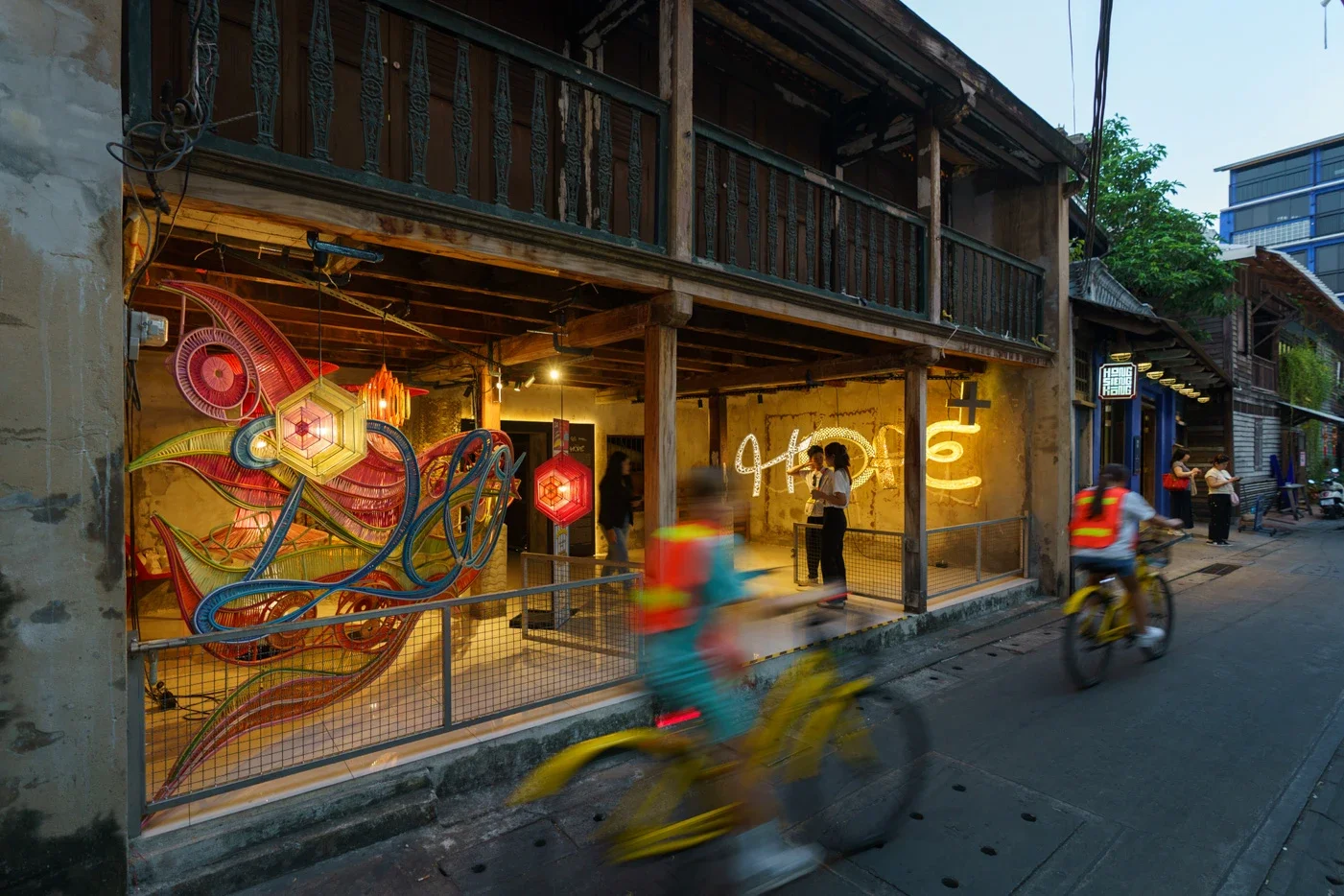
Thai design culture carries centuries of craftsmanship—from textile weaving and ceramics to wood carving and ornamental architecture. What sets Bangkok apart is how these traditions are not frozen in time but continuously reinterpreted by contemporary designers.
Modern Thai graphic design often draws from classical patterns, religious symbolism, and vernacular typography, translating them into bold, contemporary forms. Architects integrate traditional spatial concepts—such as open-air circulation and shaded communal areas—into modern urban buildings. Product designers collaborate with artisan communities to bring heritage crafts into global markets without stripping them of identity.
UNESCO recognized Bangkok not because it preserves tradition, but because it evolves it intelligently.
A Thriving Creative Ecosystem
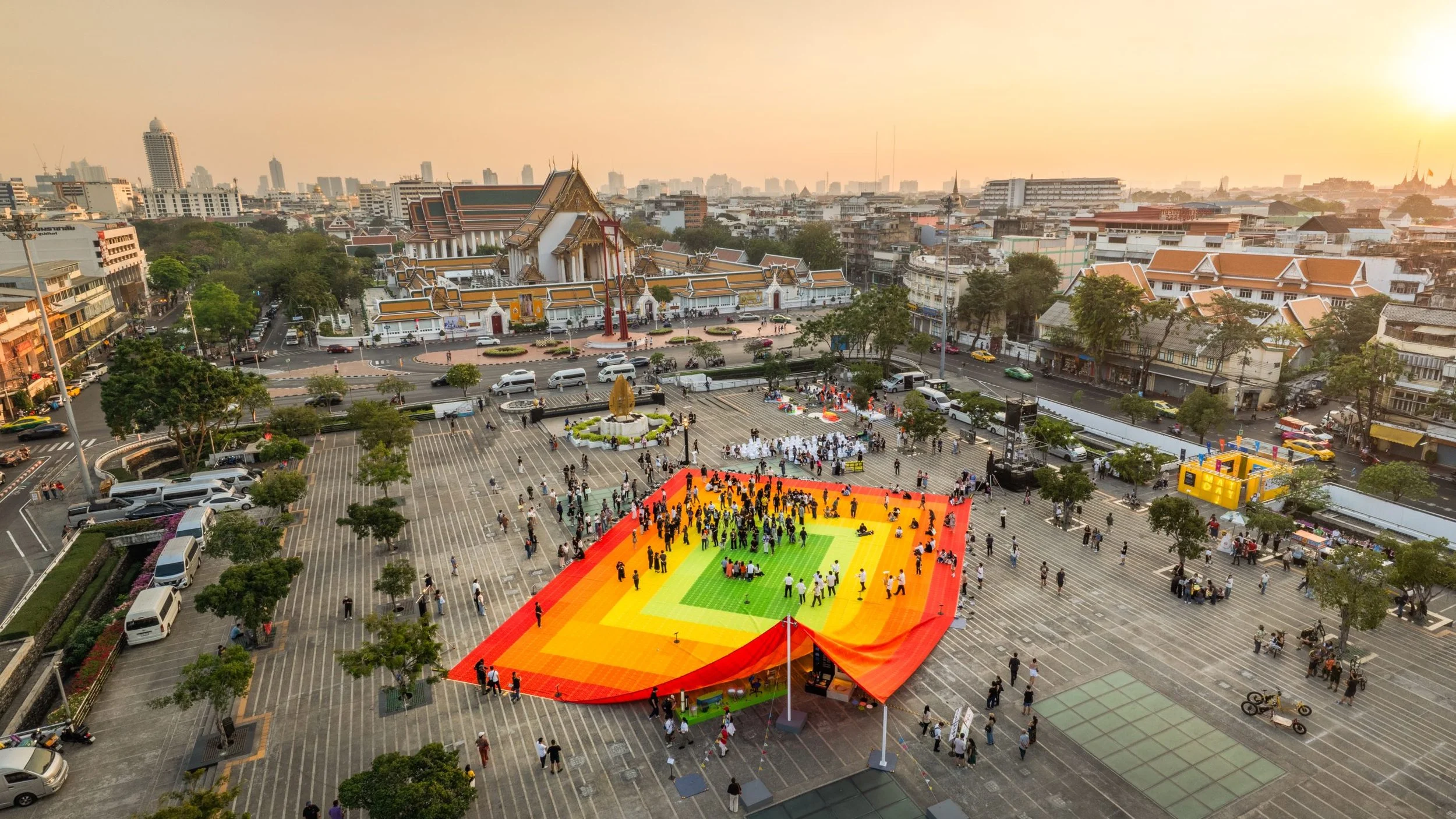
Bangkok is home to a dense and interconnected creative ecosystem that spans graphic design, fashion, architecture, digital media, animation, and industrial design. Universities, independent studios, co-working spaces, and cultural institutions actively collaborate rather than operate in silos.
Creative districts like Charoenkrung have become living laboratories where old warehouses transform into design studios, galleries, cafés, and experimental spaces. These areas encourage cross-disciplinary collaboration and lower the barrier for young creatives to participate in the city’s design economy.
This ecosystem aligns perfectly with UNESCO’s vision: cities where creativity is not concentrated among a few, but distributed across communities and generations.
Design as an Economic and Social Driver
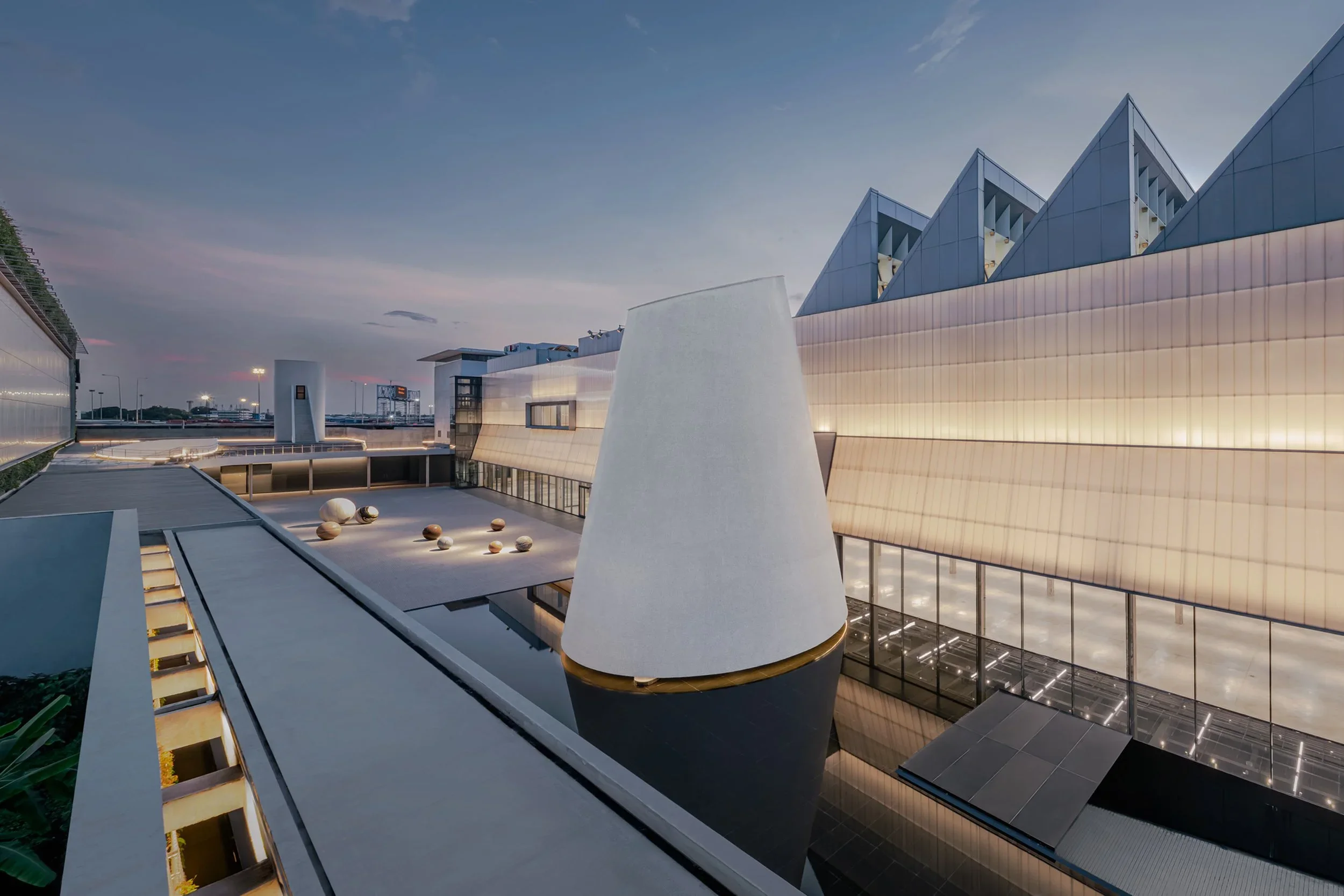
Bangkok’s recognition is also grounded in how design contributes to sustainable economic growth. The city has positioned creative industries as a national development strategy, supporting SMEs, cultural entrepreneurs, and export-oriented design businesses.
Thai brands—especially in fashion, hospitality, and packaging—are increasingly known for strong visual identities that blend local character with global appeal. Design is not treated as decoration, but as a competitive advantage.
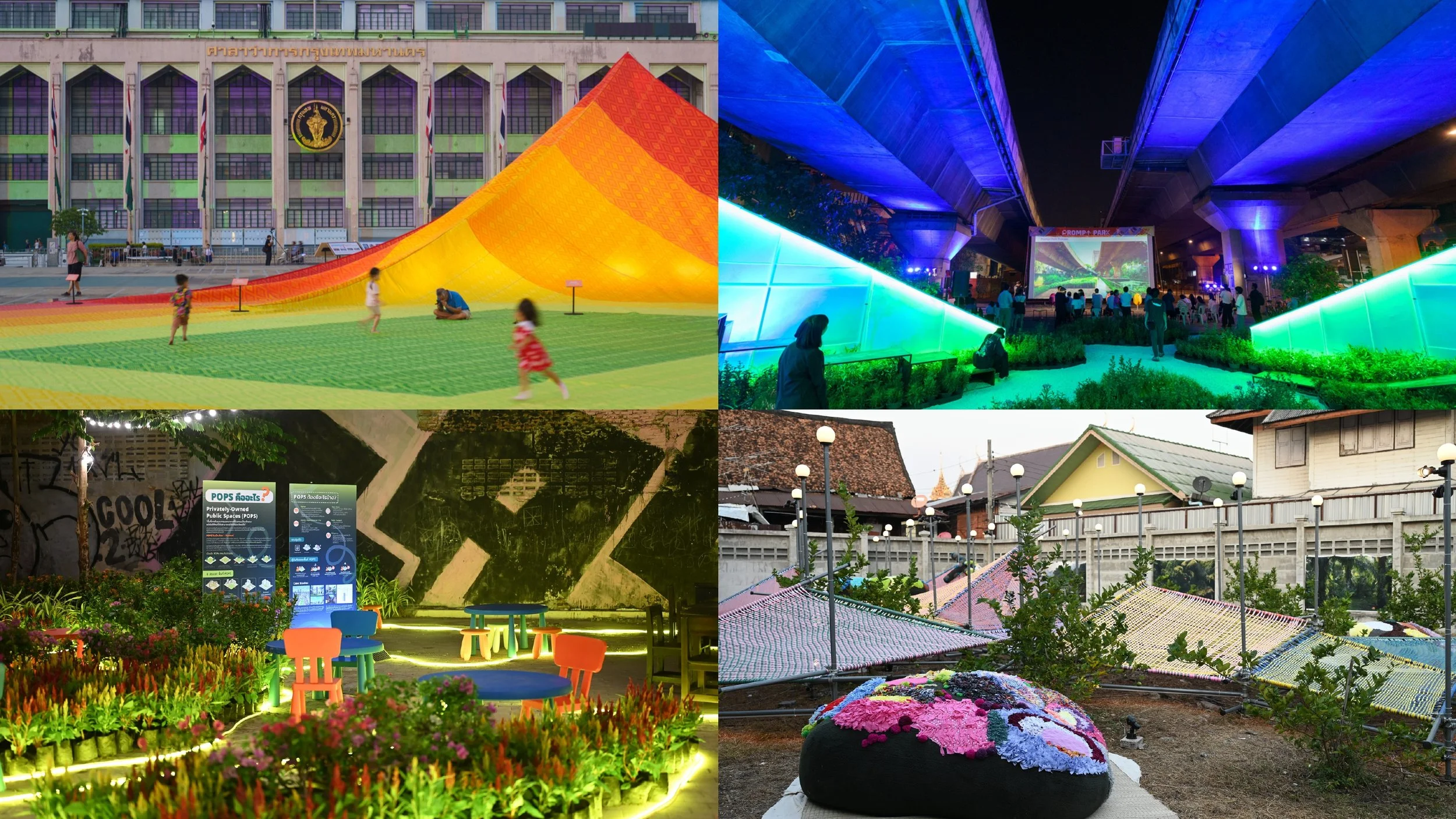
Equally important is the social role of design. Community-led design projects in Bangkok address urban issues such as public space, accessibility, waste management, and cultural preservation. These initiatives demonstrate how design can be inclusive and socially responsible, a core criterion for UNESCO’s Creative Cities Network.
Bangkok’s Visual Identity: Controlled Chaos with Purpose
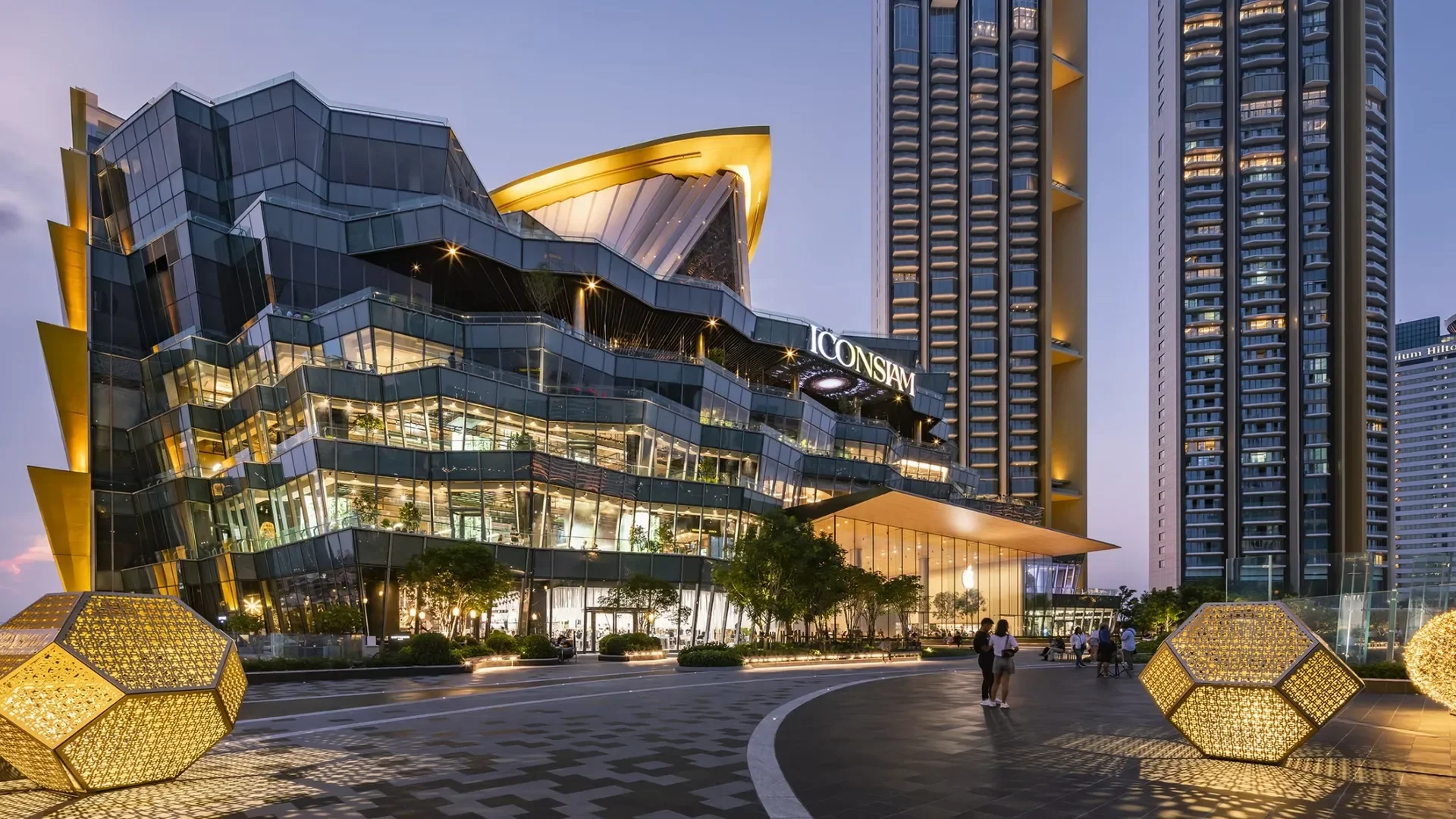
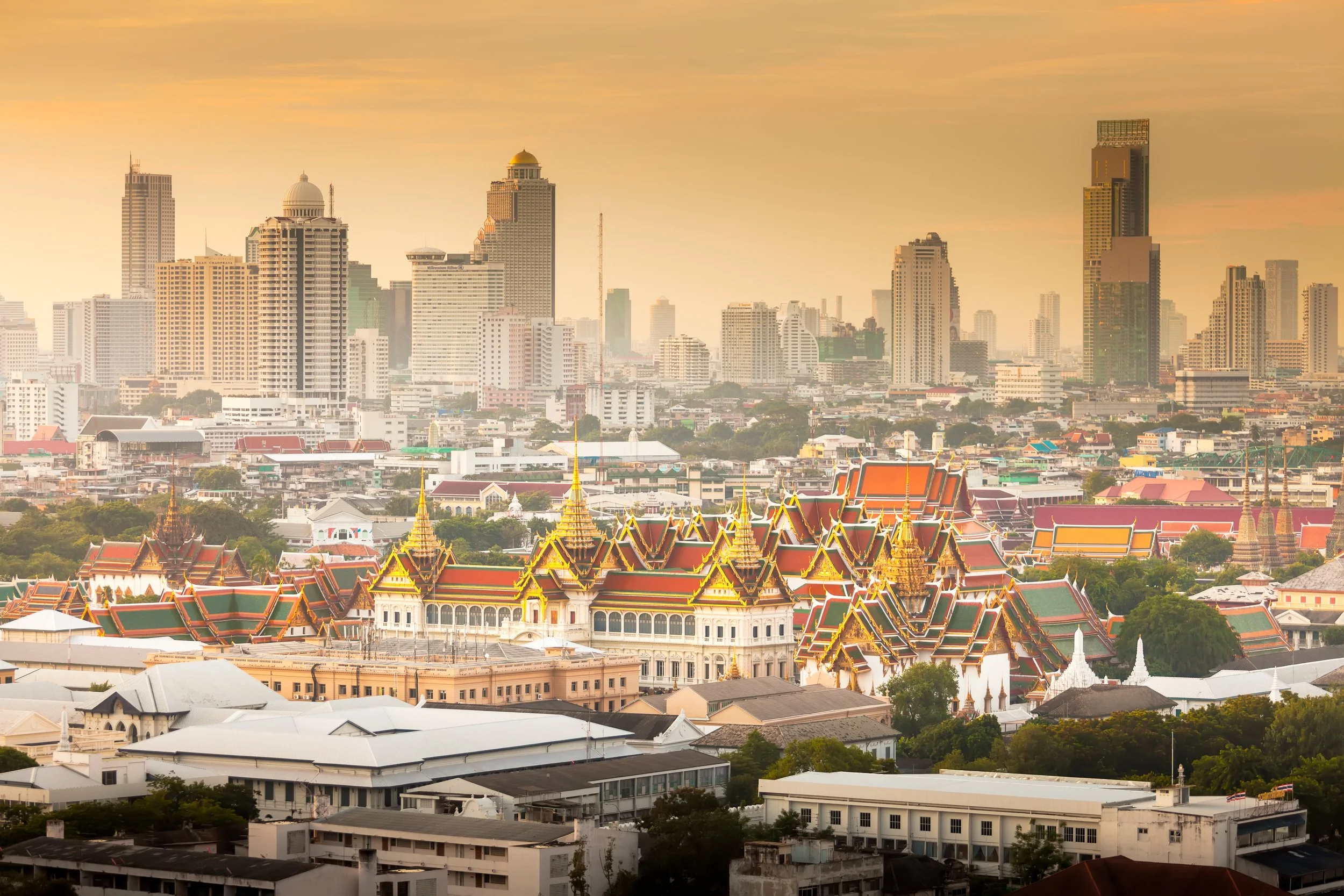
Bangkok’s urban landscape may appear chaotic at first glance, but it follows an internal logic shaped by movement, density, and adaptability. The city’s layered signage, mixed architectural styles, and informal spatial arrangements create a unique visual rhythm that designers around the world study and reference.
Rather than enforcing rigid visual order, Bangkok embraces complexity. This tolerance for visual diversity fosters experimentation and authenticity. It allows different voices—formal and informal, traditional and modern—to coexist.
UNESCO’s recognition acknowledges that good design does not always mean minimalism or uniformity. Sometimes, it means knowing how to hold complexity without losing coherence.
Global Outlook, Strong Local Roots
Bangkok’s design community is globally connected yet firmly grounded in local identity. Thai designers participate in international exhibitions, biennales, and design weeks, while still drawing inspiration from local streets, rituals, and social behaviors.
This balance between global relevance and local specificity is essential. UNESCO does not reward cities for copying international design trends, but for contributing original perspectives to global creative dialogue. Bangkok offers a design voice that is unmistakably its own—warm, playful, resourceful, and resilient.
Conclusion: A City That Designs from Life Itself
Bangkok was recognized as a Creative City of Design not because it looks beautiful, but because it thinks creatively at every level—culturally, socially, and economically. Design here is not a surface layer applied after the fact. It is a response to how people live, move, trade, worship, and adapt.
In a world increasingly obsessed with polished perfection, Bangkok reminds us that meaningful design often comes from imperfection, improvisation, and deep cultural understanding. That philosophy—design born from life itself—is what ultimately earned Bangkok its place on UNESCO’s global creative map.
