
Restaurant Branding: How to Build a Brand People Remember (and Come Back For)
In today’s crowded food scene, good food alone is no longer enough. Customers have endless choices, short attention spans, and high expectations. What makes them choose your restaurant—and more importantly, return—is your brand.
Restaurant branding is not just a logo or a pretty Instagram feed. It’s the total experience people associate with your restaurant, from the moment they hear your name to the memory they carry after the last bite.
This article breaks down what restaurant branding really is, the key elements that shape a strong brand, how to develop a clear brand identity, and common branding mistakes to avoid.
What Is Restaurant Branding?
Restaurant branding is the intentional creation of perception around your restaurant. It’s how people feel, think, and talk about your place—even when you’re not there to explain it.
Your brand lives in:
The atmosphere of your space
The tone of voice in your menu and social media
The way staff greet customers
The consistency of your food and service
The story behind why your restaurant exists
In simple terms, branding answers three questions:
Who are you?
Who are you for?
Why should anyone care?
A strong restaurant brand creates emotional connection. People don’t just say, “The food is good.” They say, “That place feels like me.”

Key Elements of a Restaurant Brand
A successful restaurant brand is built from several interconnected elements. If one is weak or inconsistent, the entire experience suffers.
1. Brand Purpose & Story
Every strong brand starts with a reason for existing beyond making money. Why did you open this restaurant? What belief or passion drives it?
Customers connect deeply with:
Authentic origin stories
Cultural roots
Personal journeys
A clear philosophy about food, hospitality, or community
Your story doesn’t need to be dramatic—it needs to be honest.
2. Target Audience
You cannot be everything to everyone. A restaurant that tries to please all tastes often ends up with no clear identity.
Define:
Who your ideal customers are
Their lifestyle, habits, and values
Why they would choose your restaurant over others
A brand for busy office workers will feel very different from one designed for slow, intimate dining.
3. Visual Identity
Visual branding is what people recognize first. It includes:
Logo
Color palette
Typography
Interior design
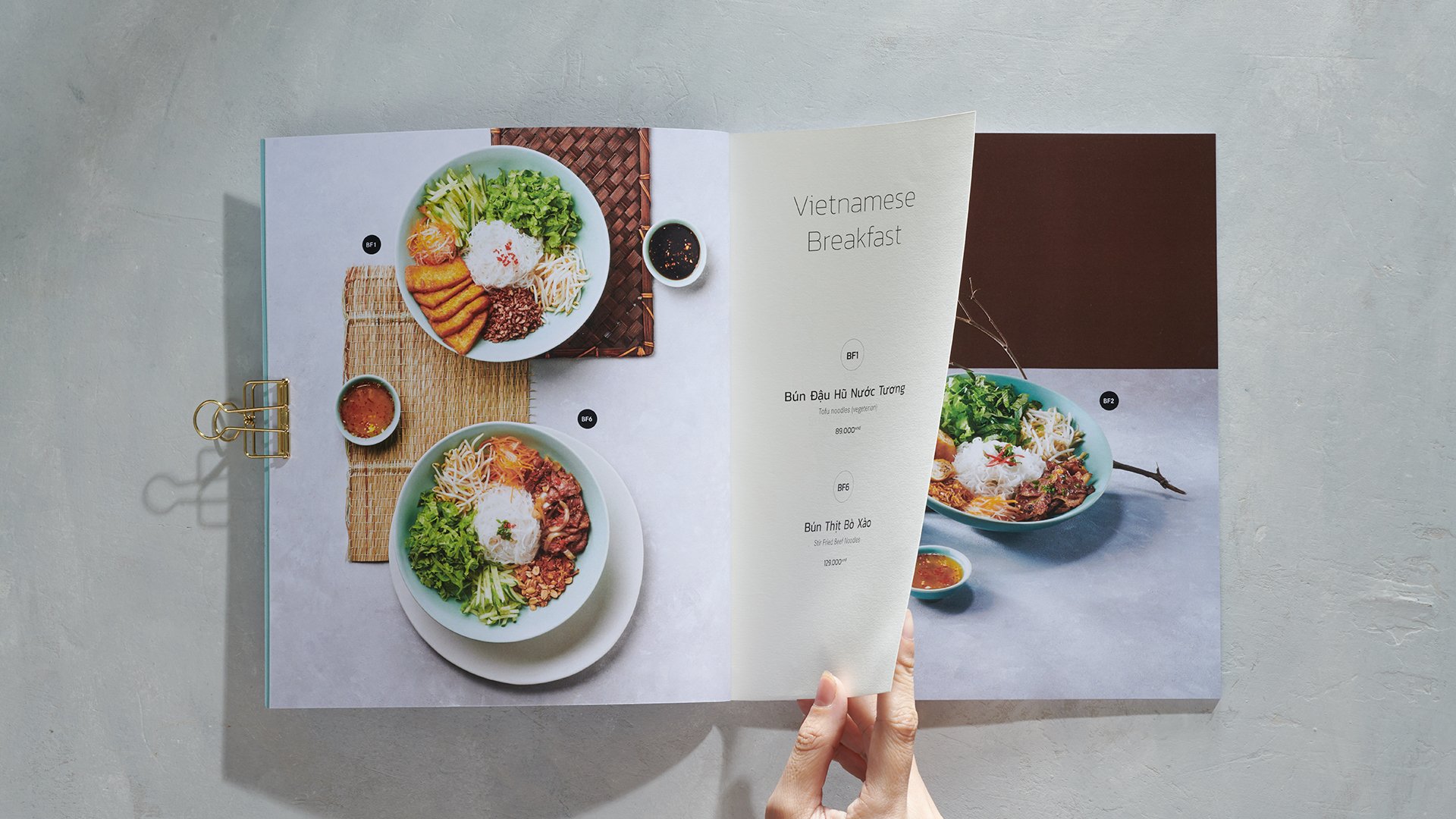
Menu design
Packaging and signage
Good visual identity doesn’t chase trends—it reflects personality. Whether minimal, rustic, bold, or elegant, it must feel consistent across all touchpoints.
4. Brand Voice & Communication
How does your restaurant “speak”?
Your brand voice appears in:
Menu descriptions
Social media captions
Website copy
Staff communication
Is it warm and friendly? Confident and refined? Playful and casual? A consistent voice builds familiarity and trust.
5. Customer Experience
Branding is not what you say—it’s what people experience.
This includes:
How customers are welcomed
Waiting time and service flow
Music, lighting, and seating comfort
Staff attitude and behavior
Every interaction either strengthens or weakens your brand promise.

How to Develop Your Restaurant’s Brand Identity
Building a strong brand doesn’t require a massive budget, but it does require clarity and intention.
Step 1: Define Your Brand Foundation
Start by answering these questions:
What do we stand for?
What emotions do we want customers to feel?
What makes us different from nearby competitors?
Write this down. A brand that exists only in your head will never be consistent.
Step 2: Understand Your Market
Research is not optional. Study:
Competitors’ positioning
Gaps in the local market
Customer reviews and feedback
Look for opportunities to differentiate—not copy.
Step 3: Design with Strategy, Not Decoration
Your visual identity should support your brand message, not distract from it. Every design decision should answer:
“Does this express who we are and who we serve?”
Consistency matters more than complexity.
Step 4: Align Team & Operations
Your staff are living extensions of your brand. Train them not just on procedures, but on:
Brand values
Tone of service
Customer interaction style
When everyone understands the brand, the experience feels natural—not forced.
Step 5: Apply Brand Consistently
From your physical space to digital platforms, consistency builds recognition and trust. A strong brand feels familiar every time, everywhere.
Restaurant Branding Mistakes to Avoid
Even good restaurants fail at branding because of avoidable mistakes.
1. Copying Trends Without Purpose
Trendy visuals might attract attention, but without authenticity, they fade fast. Branding should reflect your concept, not the latest design trend.
2. Inconsistent Experience
If your Instagram looks premium but the service feels careless, customers feel confused. Inconsistency breaks trust.
3. Ignoring the Customer Perspective
Branding is not about what you like—it’s about what your audience understands and connects with. Always view your brand through the customer’s eyes.
4. Overcomplicating the Message
If customers can’t describe your restaurant in one sentence, your brand is unclear. Simplicity is powerful.
5. Treating Branding as a One-Time Task
Branding is a living system. As your restaurant grows, your brand should evolve—without losing its core identity.
Final Thoughts
Restaurant branding is not decoration—it’s strategy. It shapes perception, builds loyalty, and turns first-time visitors into regulars.
When done right, your brand becomes your strongest silent ambassador. People don’t just come to eat; they come to feel something—and they return because that feeling stays with them.
