
Best Books on Branding & Brand Strategy Every Designer Should Read
Branding is often misunderstood as a purely visual discipline — logos, colors, typefaces, and aesthetics. But every experienced designer knows the truth: branding is strategy first, design second. The strongest visual systems don’t come from taste alone; they come from clarity, positioning, psychology, and long-term thinking.
If you’re a designer who wants to move beyond “making things look nice” and start shaping brands with intention, these books are essential reading. They won’t teach you how to use Illustrator — they’ll teach you how to think.

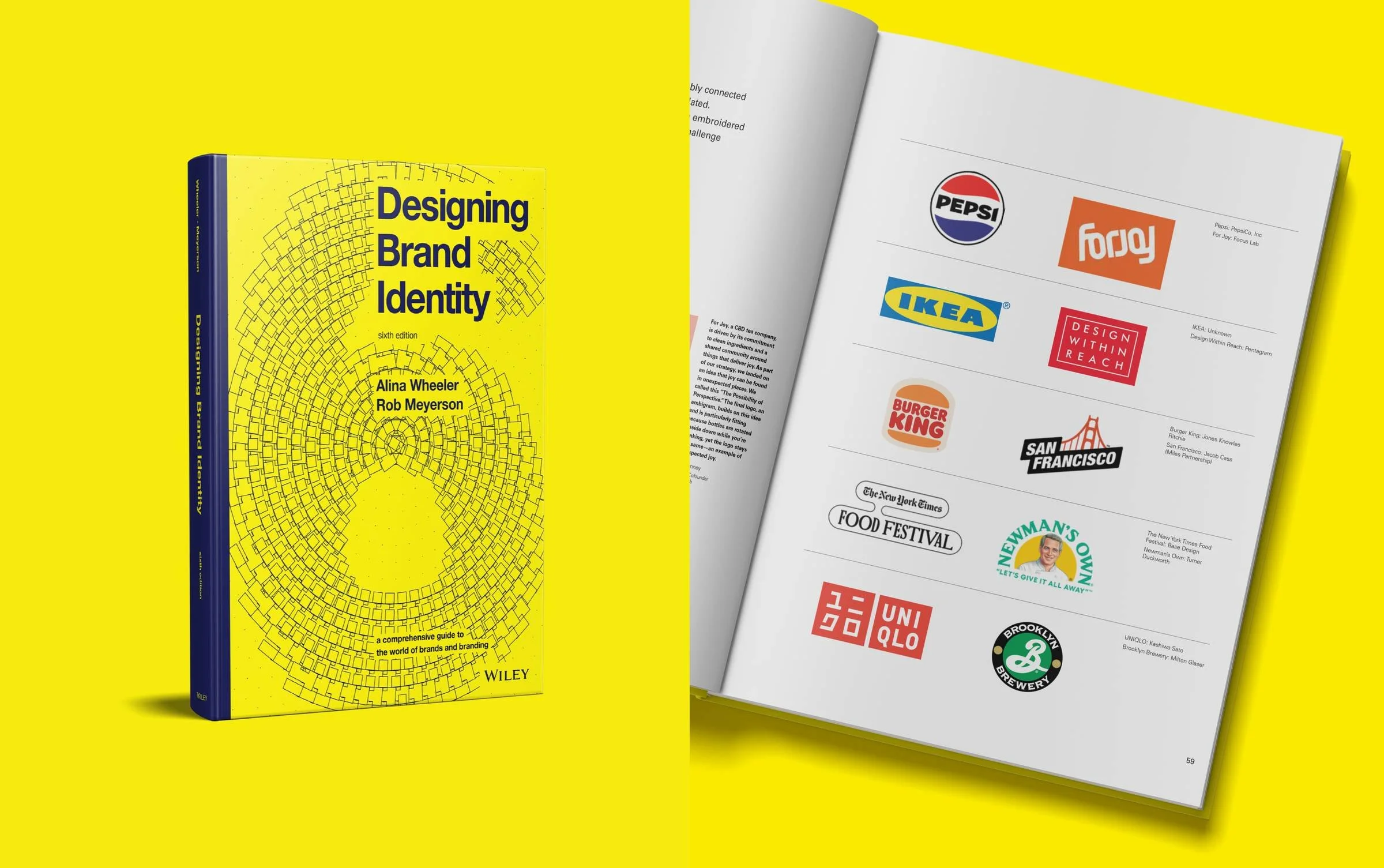
Designing Brand Identity – Alina Wheeler
If branding had a universal textbook, this would be it.
This book walks through the entire brand identity process: research, strategy, naming, visual systems, implementation, and governance. It’s structured, methodical, and incredibly practical — perfect for designers working in studios or with real clients.
Why designers love it:
Clear frameworks and step-by-step processes
Real-world case studies from global brands
Bridges strategy and visual execution seamlessly
This isn’t abstract theory. It’s a playbook you can actually apply in projects.
How Brands Grow – Byron Sharp
This book challenges everything many marketers and designers assume about branding.
Based on large-scale data and empirical research, Byron Sharp argues that brands grow through mental availability and physical availability, not emotional storytelling alone. It’s controversial, sometimes uncomfortable — and extremely important.
Why designers should read it:
Forces you to question branding myths
Grounds creative work in behavioral science
Helps you design for recognition, not decoration
You may not agree with all of it. That’s the point. Strong designers don’t design inside bubbles.
Building a StoryBrand – Donald Miller
Clarity beats cleverness. Every time.
This book applies classic storytelling structure to brand communication, positioning the customer as the hero — not the brand. While often used by marketers, it’s incredibly valuable for designers working on brand messaging, websites, and content systems.
What designers gain:
A simple framework to clarify brand messaging
Strong alignment between copy, layout, and hierarchy
Better collaboration with writers and strategists
If your designs look good but don’t convert or communicate clearly, this book will sting — in a good way.
The Brand Gap – Marty Neumeier
Short, sharp, and dangerously insightful.
This book explains branding as the intersection of strategy, design, innovation, and business. It’s written in a visual, punchy style that designers tend to love — but don’t mistake its simplicity for shallowness.
Why it matters:
Clarifies what branding actually is
Explains the difference between brand and marketing
Reinforces the strategic role of designers
This is the book that often flips the mental switch from “designer” to “brand thinker.”
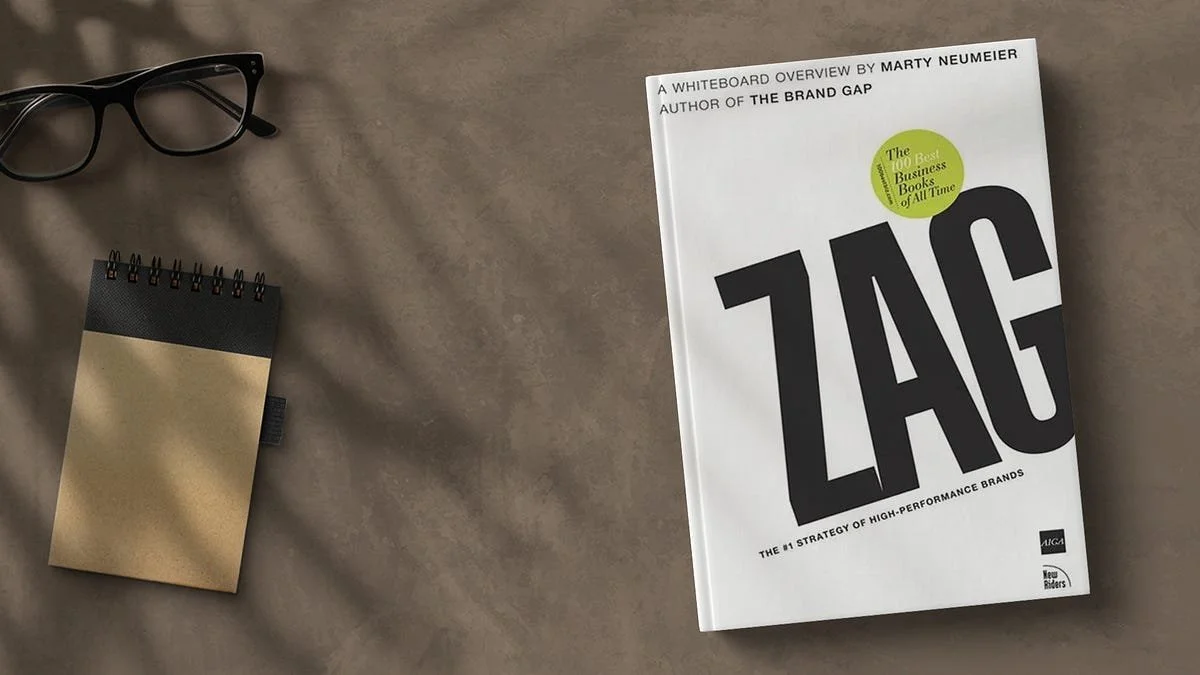
Zag – Marty Neumeier
If The Brand Gap defines branding, Zag defines differentiation.
The core idea is simple: when everyone zigzags, your brand must zag. The book focuses on positioning, competitive landscapes, and how brands can stand out meaningfully — not cosmetically.
Especially useful for:
Designers working with startups or challenger brands
Brand positioning workshops
Early-stage brand strategy development
Design doesn’t create differentiation on its own — but it can amplify it powerfully when the strategy is right.
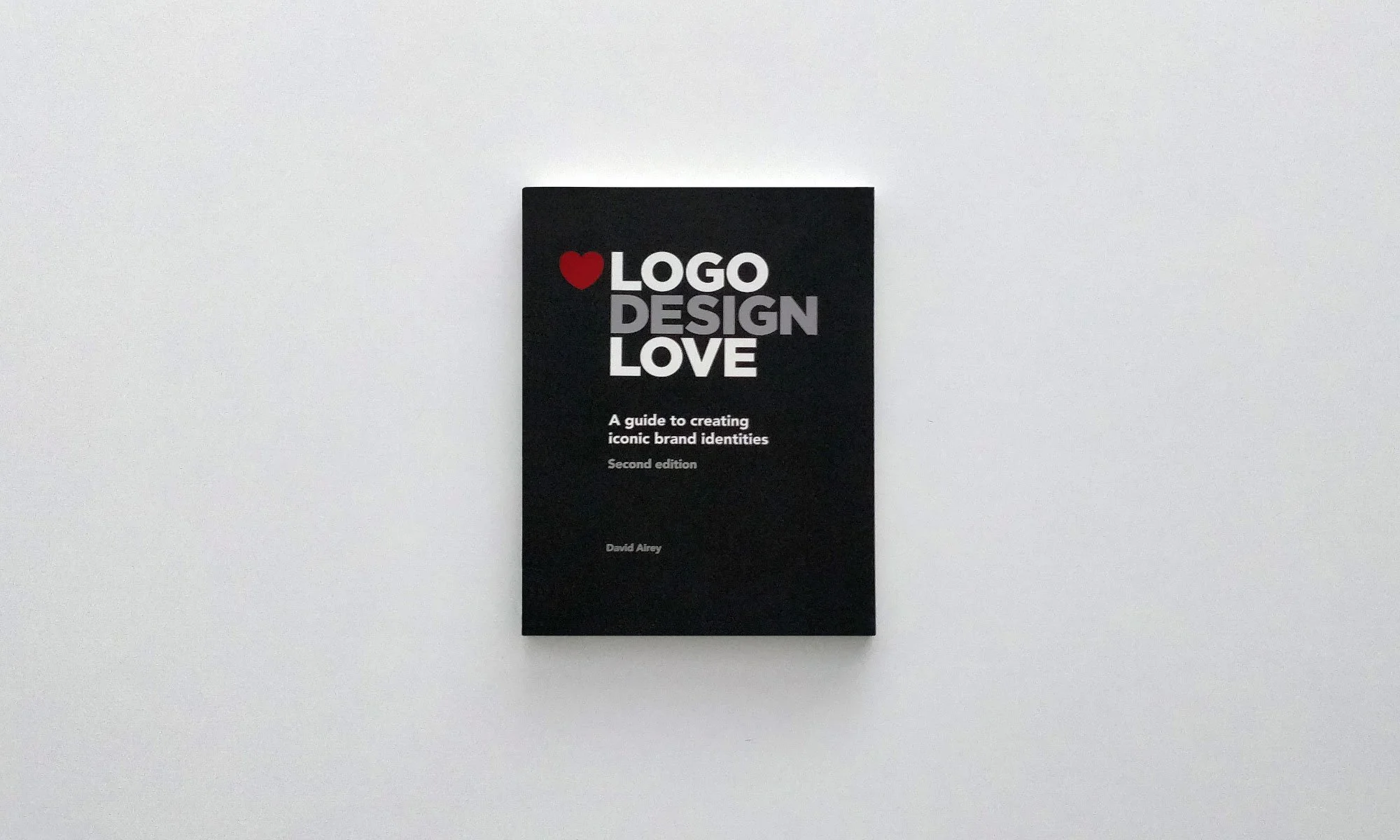
Logo Design Love – David Airey
This is one of the most practical books on logo design ever written.
David Airey breaks down his logo design process from brief to delivery, including pricing, presentations, and client relationships. It’s honest, grounded, and extremely relevant for freelance designers.
Why it’s still worth reading:
Real-world logo case studies
Clear design rationale, not just visuals
Practical advice on working with clients
It teaches you how to think about logos — not just draw them.
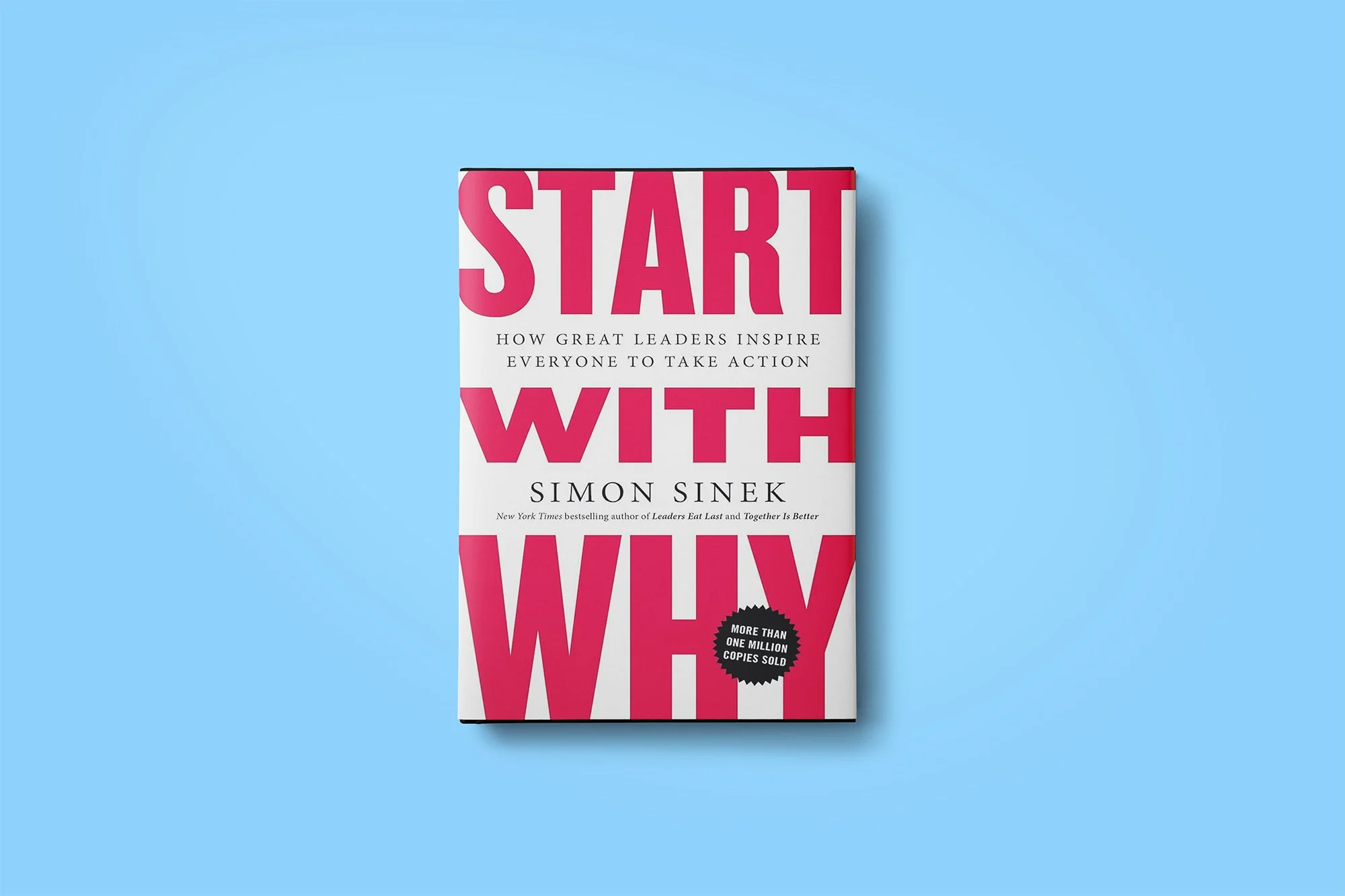
Start with Why – Simon Sinek
This book is often quoted — sometimes misused — but still foundational.
Simon Sinek’s “Golden Circle” (Why, How, What) helps brands articulate purpose before execution. While not design-specific, it deeply influences brand narratives, internal alignment, and long-term consistency.
Why designers should care:
Helps frame brand purpose beyond visuals
Useful for brand discovery sessions
Encourages meaning-driven design decisions
Just remember: purpose without execution is philosophy. Design is where it gets real.
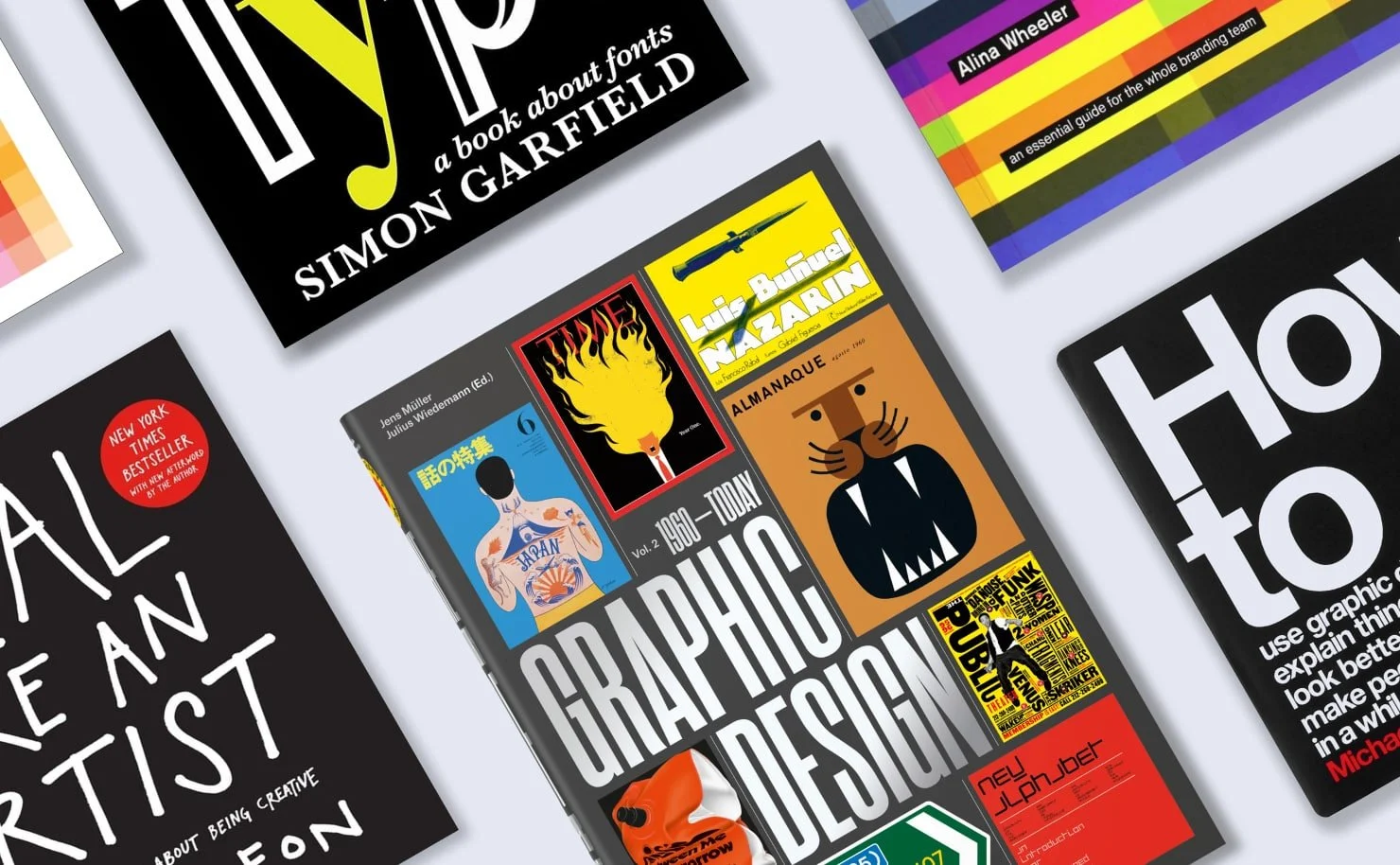
Final Thoughts: Read Like a Strategist, Design Like an Artist
Great designers don’t just collect inspiration — they collect perspective.
These books won’t give you a style. They’ll give you a spine: a way to defend your decisions, challenge weak briefs, and design systems that last longer than trends.
You don’t need to read them all at once. Start with one. Let it sharpen how you see brands, clients, and your own role as a designer.
Because at a certain point in your career, the real upgrade isn’t your software skills —
it’s how clearly you think.
